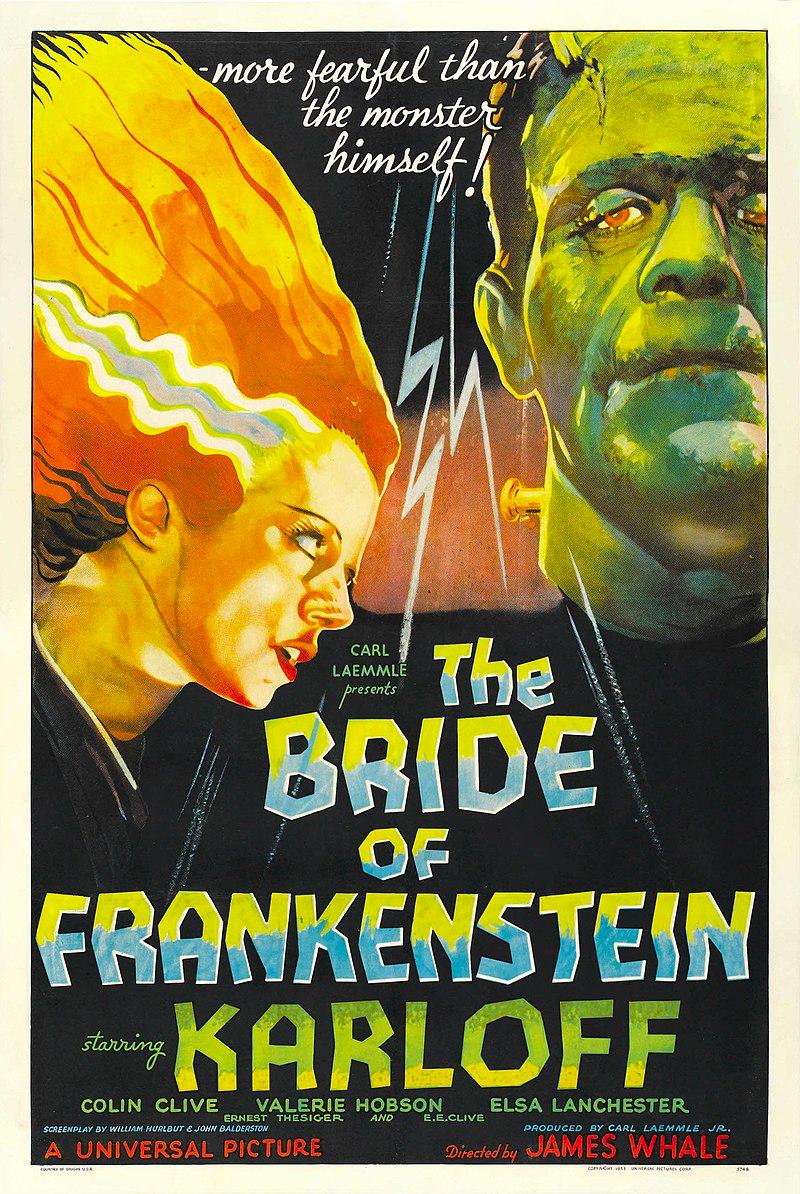
Bride of Frankenstein
Film
Horror
Classic Cinema
4 min read
Updated By: History Editorial Network (HEN)
Published:
Updated:
The release of 'Bride of Frankenstein' marked a pivotal moment in the evolution of horror cinema. As a sequel to the original 'Frankenstein' film, it expanded upon the narrative established in its predecessor, delving deeper into the themes of creation, isolation, and the quest for companionship. The film follows the story of the creature, who, after experiencing rejection and loneliness, seeks a mate to alleviate his suffering. This exploration of the monster's emotional depth set 'Bride of Frankenstein' apart from typical horror films of the time, allowing audiences to empathize with the creature rather than merely fear it. The film's narrative structure and character development contributed to its status as a classic in the genre, influencing future horror films and adaptations of literary works.
The impact of 'Bride of Frankenstein' extended beyond its immediate reception. It was notable for its innovative use of special effects and makeup, which helped to create a more visually compelling portrayal of the monster and his bride. The film's director, James Whale, employed a blend of dark humor and gothic elements, which resonated with audiences and critics alike. The film's success at the box office demonstrated the growing popularity of horror films during this era, leading to a surge in similar productions. Additionally, 'Bride of Frankenstein' has been analyzed for its commentary on societal issues, including the fear of the unknown and the consequences of scientific experimentation. Its legacy continues to influence filmmakers and remains a subject of study in film and cultural history.
#mooflife
#MomentOfLife
#BrideOfFrankenstein
#HorrorCinema
#FrankensteinSequel
#JamesWhale
#ClassicHorrorFilms

Explore the Life Moments of
 AI Twin