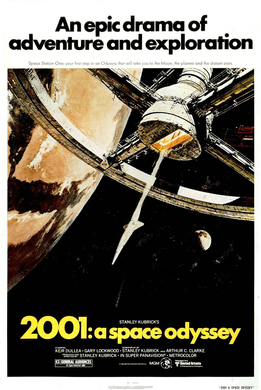
2001: A Space Odyssey
Film
Science Fiction
Artificial Intelligence
4 min read
Updated By: History Editorial Network (HEN)
Published:
Updated:
2001: A Space Odyssey, directed by Stanley Kubrick, is a landmark science fiction film that has had a profound impact on the genre and cinema as a whole. The film is known for its innovative visual effects, which were groundbreaking at the time of its release. It explores complex themes such as human evolution, artificial intelligence, and the possibility of extraterrestrial life. The narrative follows a voyage to Jupiter with the sentient computer HAL-9000, raising questions about the relationship between humans and technology. The film's use of classical music, particularly Richard Strauss's "Also sprach Zarathustra" and Johann Strauss II's "The Blue Danube," has become iconic, enhancing its thematic depth and emotional resonance. The film's ambiguous ending and visual storytelling have led to extensive analysis and interpretation, solidifying its status as a classic in cinematic history.
The impact of 2001: A Space Odyssey extends beyond its immediate reception. It has influenced numerous filmmakers and has been referenced in various forms of media. The film's exploration of artificial intelligence has become increasingly relevant in contemporary discussions about technology and ethics. Its visual style and narrative structure have inspired a generation of filmmakers, contributing to the evolution of science fiction cinema. The film has received critical acclaim and is often cited in discussions about the greatest films of all time. Its legacy continues to be felt in modern science fiction works, including films like Interstellar and the Star Wars franchise, which have drawn on its themes and visual techniques. 2001: A Space Odyssey remains a pivotal work that challenges audiences to contemplate the future of humanity and our place in the universe.
#mooflife
#MomentOfLife
#2001aspaceodyssey
#Stanleykubrick
#Sciencefiction
#Artificialintelligence
#Filmhistory

Explore the Life Moments of
 AI Twin