Robert Louis Stevenson's Advocacy for Samoan Rights and Autonomy in Colonial Times
Samoa
Political
Advocacy
3 min read
Updated By: History Editorial Network (HEN)
Published:
Updated:
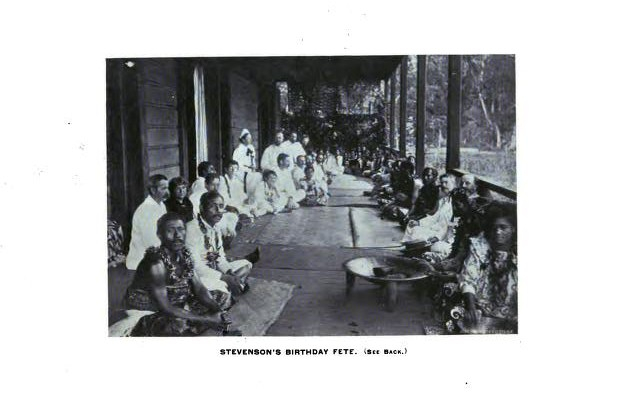
Scottish author Robert Louis Stevenson arrived in Samoa, where he built a house in the village of Vailima. Stevenson, known for his literary works, became invested in the local Samoan community. His residence at Vailima was known as "the big house." Over time, Stevenson developed a strong connection with the Samoan people and their cultural practices.
Stevenson began to take an active role in Samoan politics. He advocated for Samoan rights and autonomy, frequently criticizing colonial administrators and their policies. Stevenson's involvement highlighted the tensions between colonial powers and indigenous populations. His outspoken nature gained him respect among Samoans, and he became a prominent figure in their social and political landscape.
The impact of Stevenson's support was significant. His writings and public speeches bolstered the Samoan struggle for political self-determination and brought international attention to their plight. Stevenson’s commitment to the Samoan cause demonstrated the complex relationships between colonizers and indigenous communities during this period.
#RobertLouisStevenson #Samoa #Colonialism #Advocacy #MoofLife
Primary Reference
The Little Land By Robert Louis Stevenson | Lumos Learning
Explore the Life Moments of
 AI Twin