Rwanda-Urundi Becomes a United Nations Trust Territory
Rwanda

Political
Economy
Sustainability
3 min read
Updated By: History Editorial Network (HEN)
Published:
Updated:
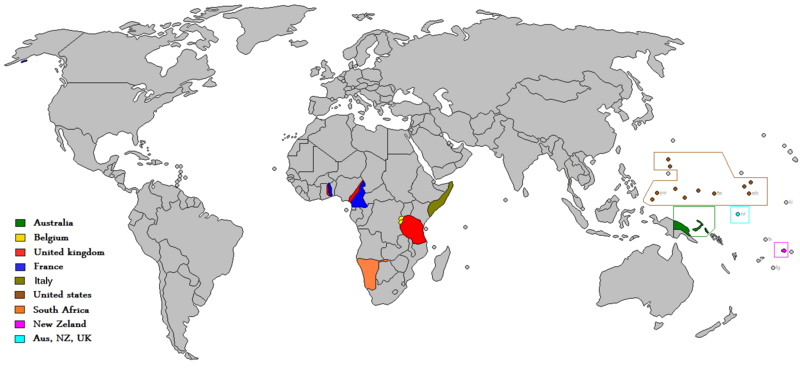
In 1946, following the end of World War II (1939–1945) and the dissolution of the League of Nations, Rwanda-Urundi was reclassified as a United Nations Trust Territory, still administered by Belgium. This transition was part of the broader global shift from colonial mandates under the League of Nations to trust territories under the newly formed United Nations (UN).
The purpose of this new status was to prepare Rwanda and Burundi for eventual independence, though in reality, Belgian control remained largely unchanged. The Belgian administration continued to favor the Tutsi elite in governance and education, further deepening ethnic divisions between the Hutu majority and the Tutsi minority.
However, the UN trusteeship system placed greater international pressure on Belgium to promote social, political, and economic development in the region. This growing external oversight, along with rising local demands for self-rule, gradually fueled the push for independence in the late 1950s and early 1960s.
Rwanda-Urundi remained a UN Trust Territory until 1962, when Rwanda and Burundi each gained full independence.
#RwandaHistory #AfricanHistory #UNTrustTerritory #Decolonization #RwandaUrundi #EastAfrica #ColonialLegacy #MomentsOfLife #MoofLife_Moment #MoofLife

Explore the Life Moments of
 AI Twin