Treaty of Algun: China cedes Amur River
Russia
Political
Global Trade
3 min read
Updated By: History Editorial Network (HEN)
Published:
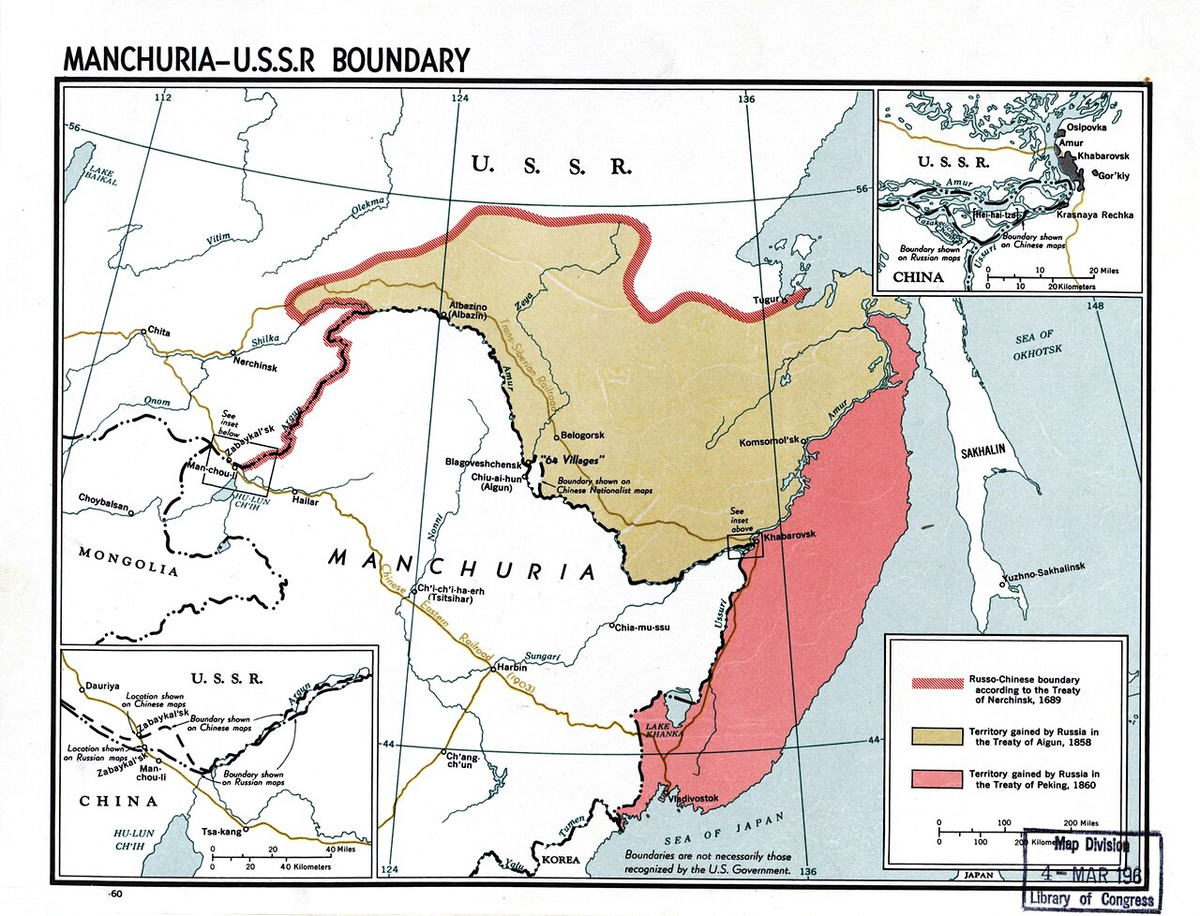
The Treaty of Algun marked the agreement between China and Russia, where China ceded control of the Amur River to Russia. The background of this event stemmed from territorial disputes between the two countries in the region. The Amur River held strategic importance due to its abundant resources and its role as a vital trade route.
The impact of the Treaty of Algun was significant for both nations. For Russia, gaining control of the Amur River provided access to the Pacific Ocean and expanded its territory in the Far East. This secured valuable resources and facilitated trade with other nations. On the other hand, China's loss of the Amur River weakened its territorial integrity and limited its access to the sea, impacting its ability to engage in maritime trade.
The Treaty of Algun also set the stage for future negotiations between China and Russia regarding their respective borders and spheres of influence in the region. The agreement established a framework for diplomatic relations and laid the foundation for future engagements between the two countries.
Overall, the Treaty of Algun was a pivotal moment in the history of Russia and China, shaping their geopolitical landscape in the Far East. It redefined territorial boundaries and influenced trade routes and resource access for both nations, shaping their interactions with other countries in the region.
#TreatyOfAlgun #Russia #China #AmurRiver #Geopolitics #Diplomacy

Explore the Life Moments of
 AI Twin