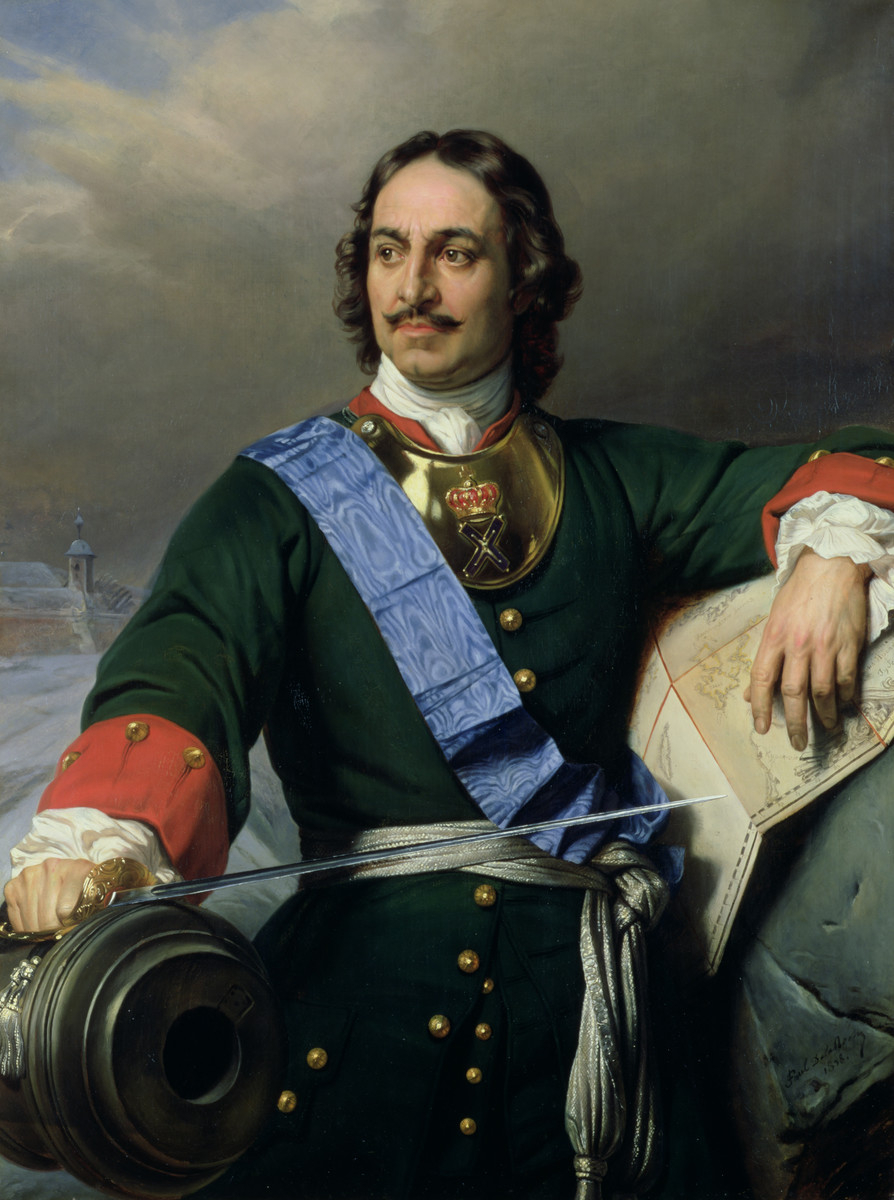
Establishment of Saint Petersburg by Peter the Great
Russia
Cultural Exchange
4 min read
Updated By: History Editorial Network (HEN)
Published:
In 1703, Peter the Great established the city known as Saint Petersburg. This move was driven by Peter's desire to modernize Russia and establish a new capital that would facilitate access to Europe. Constructed on the shores of the Baltic Sea, Saint Petersburg served as a gateway for cultural and technological exchange between Russia and Western Europe. The strategic location of the city enhanced Russia's presence in international affairs and bolstered its maritime trade.
The founding of Saint Petersburg by Peter the Great marked a significant shift in Russian history, transitioning the country towards a more European-oriented mindset. The construction of the city was a monumental task, requiring extensive manpower and resources. Peter spared no expense in developing Saint Petersburg, importing architects, engineers, and craftsmen from across Europe to ensure its grandeur.
The impact of Saint Petersburg extended beyond its physical borders. It became a symbol of Russia's transformation from a traditional, landlocked nation to a modern maritime power. The city quickly became a center of art, culture, and education, attracting intellectuals and artists from both Russia and abroad. Saint Petersburg's architectural splendor, exemplified by landmarks such as the Winter Palace and the Peter and Paul Fortress, showcased Russia's ambition on the global stage.
Overall, the founding of Saint Petersburg by Peter the Great was a pivotal moment in Russian history, reflecting the country's aspirations for progress and modernization. The city's legacy lives on as a testament to Peter's vision and the enduring cultural exchange between Russia and Europe.
#PetertheGreat #SaintPetersburg #Modernization #CulturalExchange #EuropeanOrientation

Explore the Life Moments of
 AI Twin