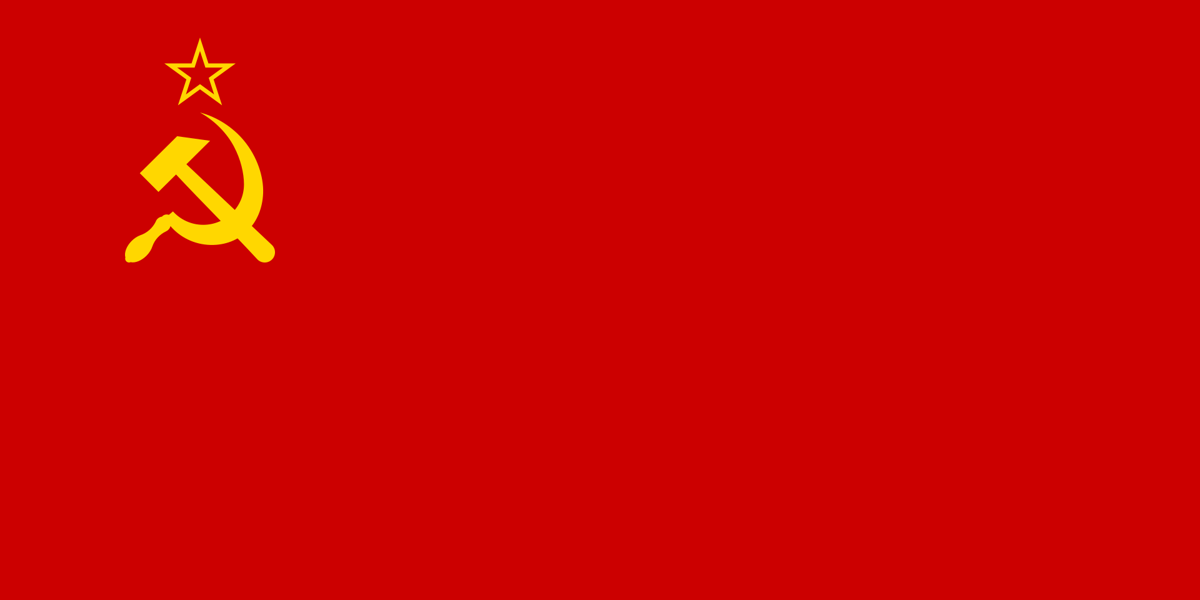
The Soviet Union Emerged from Revolution and Civil War
Russia

Political
4 min read
Updated By: History Editorial Network (HEN)
Published:
In 1922, the Soviet Union emerged following the Bolshevik Revolution in Russia. The formation united several regions, including Russia, Ukraine, Belarus, and Transcaucasia, under a communist regime. This consolidation marked the end of the Russian Empire, bringing about significant political, economic, and social transformations.
Under the leadership of Vladimir Lenin and later Joseph Stalin, the Soviet Union rapidly industrialized, transforming from an agrarian society to an industrial powerhouse. The state implemented collectivization of agriculture, leading to widespread famine and significant strife among the population. Repression of dissent and opposition was common under the Soviet regime, with those who spoke out against the government facing severe consequences.
The impact of the Soviet Union extended beyond its borders, influencing global politics during the Cold War. The ideological rivalry between the Soviet Union and the United States shaped international relations for decades, leading to proxy conflicts and a nuclear arms race. The dissolution of the Soviet Union in 1991 marked the end of an era and the emergence of new independent states.
The formation of the Soviet Union profoundly shaped the course of 20th-century history, leaving a complex legacy of achievements and atrocities. The remnants of Soviet influence are still visible in the political landscapes of many former Soviet republics today. Despite its eventual collapse, the Soviet Union remains a key player in the collective memory of those who lived through its rule.
#SovietUnion #BolshevikRevolution #ColdWar #Communism #Industrialization #Collectivization #Lenin #Stalin #GlobalPolitics #Legacy
Explore the Life Moments of
 AI Twin