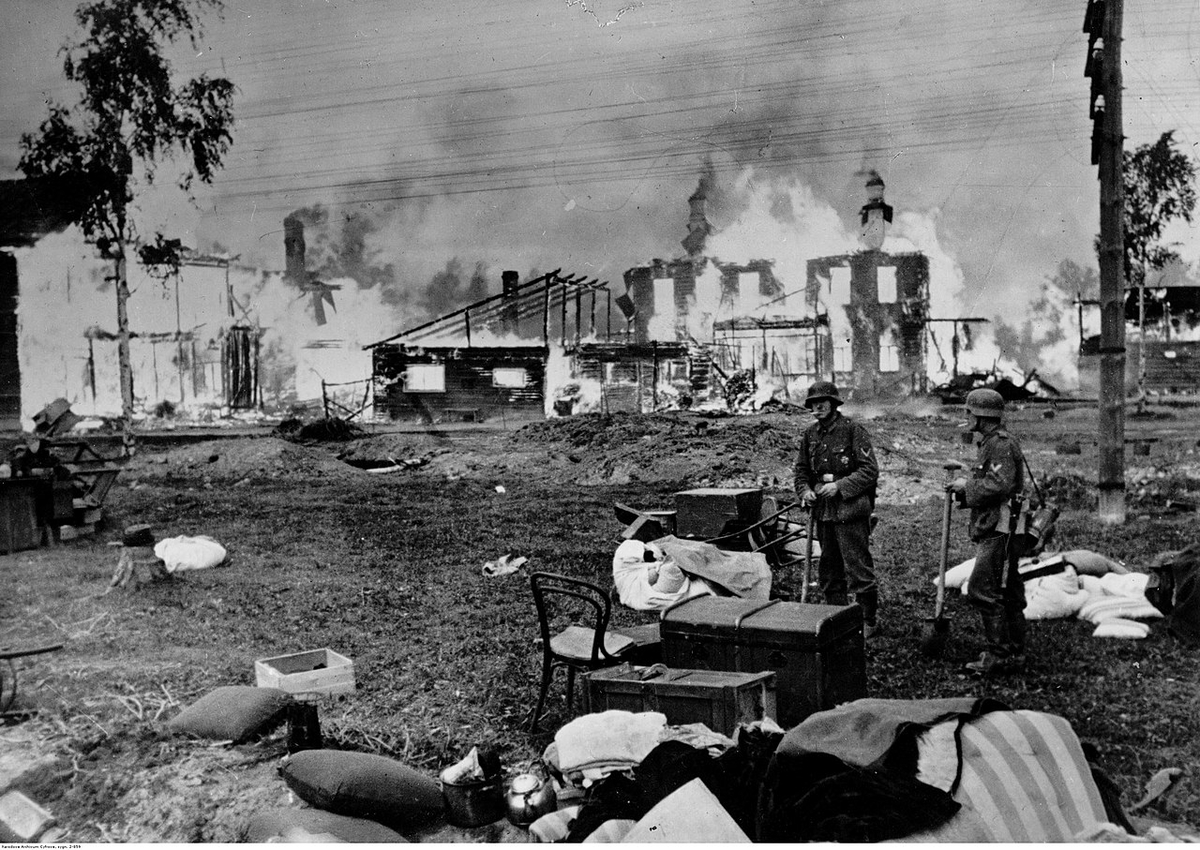
Start of the Leningrad Siege
Russia

War
3 min read
Updated By: History Editorial Network (HEN)
Published:
The Siege of Leningrad commenced when German forces surrounded the Soviet city, cutting off supply lines. Lasting for 872 days, it led to widespread starvation and casualties among the city's inhabitants. Leningrad's residents endured extreme hardships, facing severe cold weather and scarcity of food.
The blockade had a devastating impact, causing the deaths of over a million civilians and soldiers. Despite the dire circumstances, the people of Leningrad displayed remarkable resilience and courage, with many risking their lives to provide aid and support to others. The city's cultural and historical landmarks suffered extensive damage during the siege, including the renowned Winter Palace and Hermitage Museum.
International attention turned towards Leningrad, with countries sending humanitarian aid to alleviate the suffering of its residents. The siege became a symbol of Soviet resistance and endurance against the German invasion, galvanizing morale and solidarity.
Ultimately, the Siege of Leningrad resulted in significant losses and trauma, leaving a lasting mark on the city and its people. The lifting of the blockade in January 1944 marked a turning point in the Eastern Front of World War II.
#Leningrad #Siege #Resilience #WorldWarII #Endurance

Explore the Life Moments of
 AI Twin