Soviet Union's First Atomic Bomb Test
Russia

Political
War
4 min read
Updated By: History Editorial Network (HEN)
Published:
In the aftermath of World War II, the Soviet Union intensified its efforts to develop nuclear capabilities. This ambition culminated in the successful testing of its first atomic bomb. The event marked a significant milestone in the global nuclear arms race, raising tensions between the US and the Soviet Union during the Cold War.
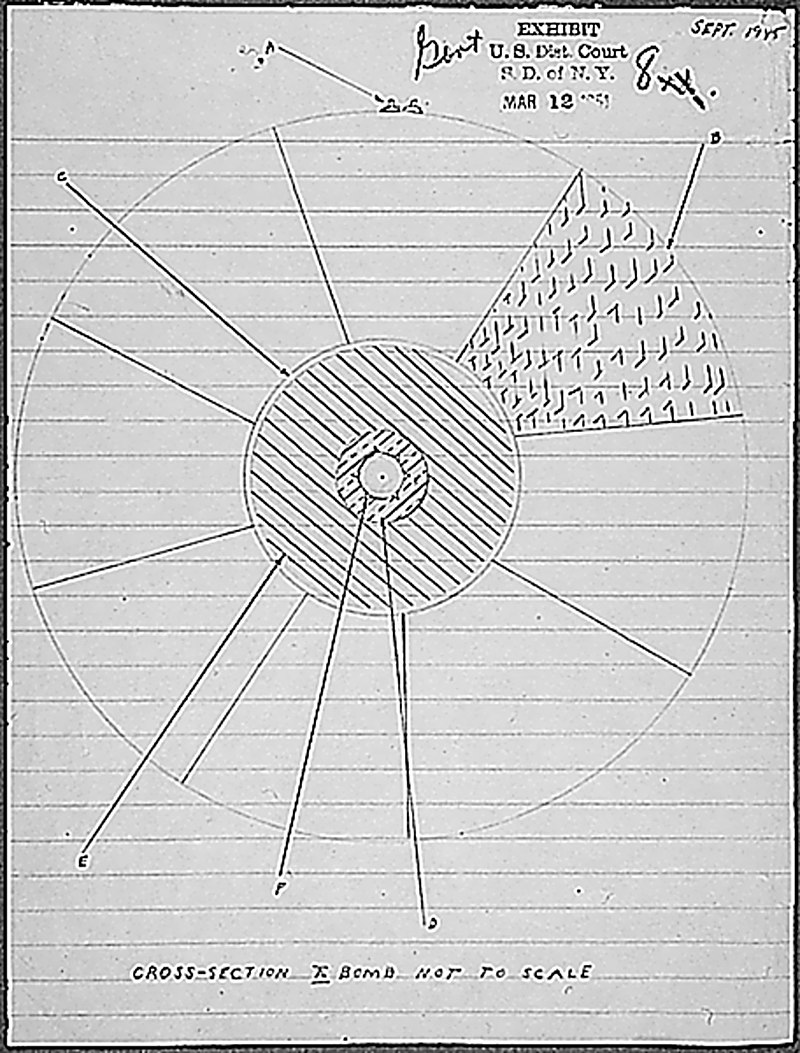
The Soviet Union's successful test of the atomic bomb, codenamed RDS-1, took place in Semipalatinsk, Kazakhstan. The development of this powerful weapon was led by a team of Soviet scientists and engineers, including Andrei Sakharov, who later became an outspoken advocate for nuclear disarmament.
The detonation of the Soviet Union's first atomic bomb sent shockwaves across the world, as it demonstrated the country's ability to match the nuclear capabilities of the United States. This development had far-reaching implications for international security and geopolitics, as both superpowers entered into a nuclear arms race, each seeking to outmatch the other.
The Soviet Union's successful test of the atomic bomb not only solidified its status as a nuclear power but also fueled fears of a potential nuclear conflict between the two superpowers. It prompted the US to reevaluate its own nuclear strategy and led to a series of arms control negotiations between the two rivals in the following years.
The event underscored the precarious nature of the Cold War, as the specter of nuclear annihilation loomed over the international community. It served as a stark reminder of the destructive power of nuclear weapons and the urgent need for arms control agreements to prevent their proliferation.
#SovietUnion #AtomicBomb #ColdWar #NuclearArmsRace

Explore the Life Moments of
 AI Twin