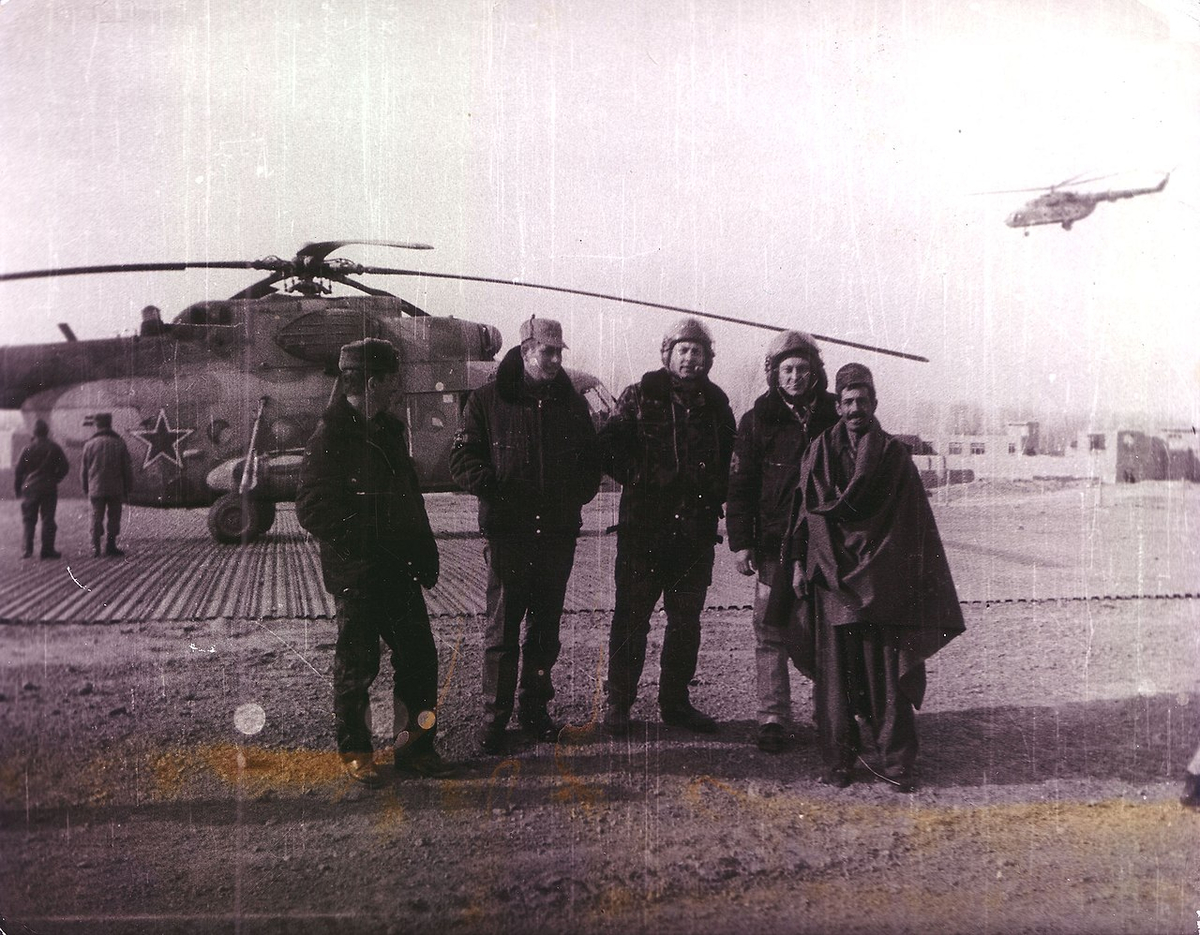
Soviet invasion of Afghanistan
Russia

Political
4 min read
Updated By: History Editorial Network (HEN)
Published:
The Soviet invasion of Afghanistan began as a geopolitical move to support the Afghan government against a growing insurgency. The Soviet Union aimed to maintain influence in the region and protect its interests in the Cold War era. The invasion sparked a decade-long conflict that resulted in a significant loss of life and widespread devastation in Afghanistan.
The Soviet military intervention consisted of a large-scale deployment of troops, with the intention to stabilize the Afghan government and quell the resistance movement. However, the invasion faced strong opposition from local Afghan fighters known as the Mujahideen, who received support from various countries, including the United States, Pakistan, and Saudi Arabia.
The conflict had far-reaching consequences, including immense civilian casualties, extensive damage to infrastructure, and a refugee crisis as millions fled the violence. The Afghan resistance, backed by external powers, intensified their efforts against the Soviet forces, leading to a protracted and bloody conflict.
The Soviet invasion of Afghanistan ignited a proxy war between global superpowers, with the United States providing support to the Mujahideen fighters. This conflict and subsequent Soviet occupation had a lasting impact on Afghanistan, shaping its politics, society, and security landscape for years to come.
The Soviet invasion of Afghanistan marks a pivotal moment in the history of the region, with long-lasting implications on international relations, insurgency movements, and the Afghan people's lives. It serves as a reminder of the complexities and consequences of foreign interventions in sovereign nations. #SovietInvasion #AfghanConflict #ColdWar #Geopolitics.

Explore the Life Moments of
 AI Twin