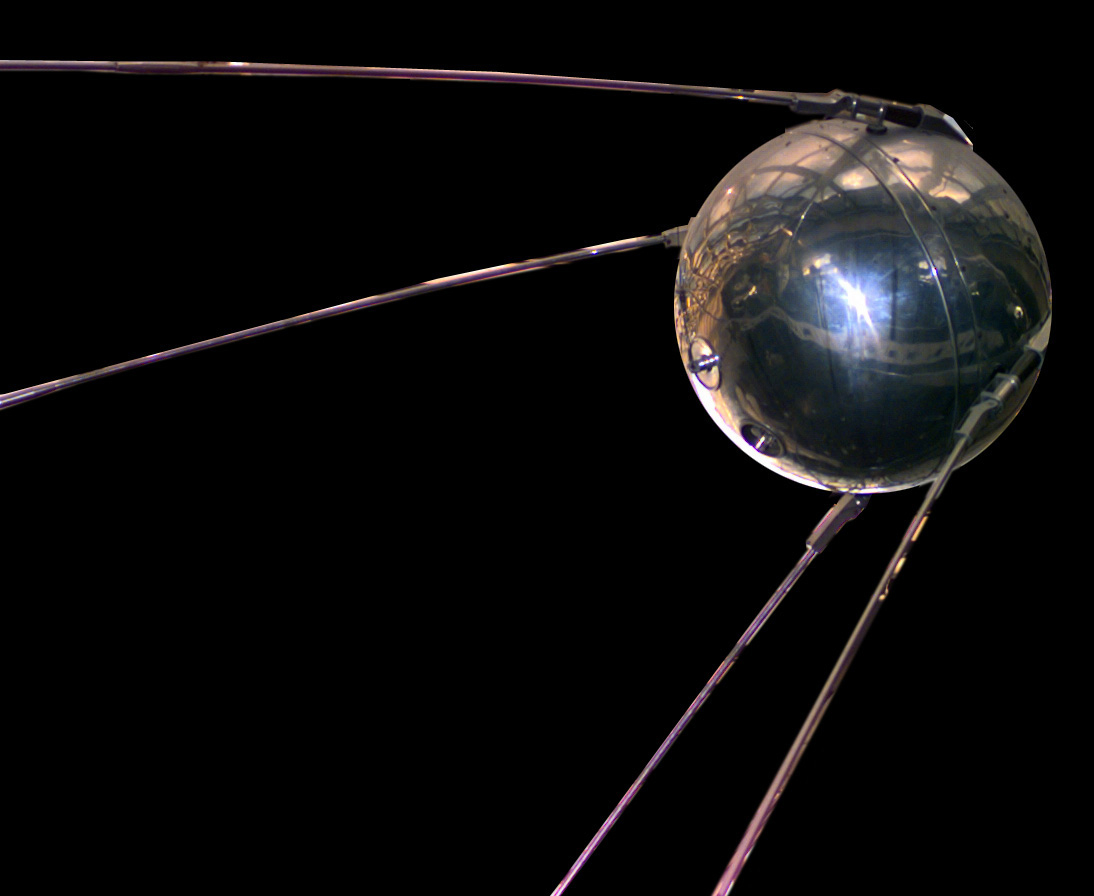
First Artificial Earth Satellite: Sputnik-1 Launch
Russia

Science
Technology
3 min read
Updated By: History Editorial Network (HEN)
Published:
During the Cold War, the Soviet Union made history by becoming the first nation to launch an artificial Earth satellite, Sputnik-1. This achievement marked a significant milestone in the space race between the United States and the Soviet Union.
Sputnik-1 was a spherical satellite measuring 58 centimeters in diameter and weighing over 80 kilograms. It was equipped with four external radio antennas that emitted radio pulses, which could be received on Earth. The satellite orbited the Earth every 96 minutes, traveling at a speed of over 28,000 kilometers per hour.
The launch of Sputnik-1 had a profound impact on the world. It demonstrated Soviet technological prowess and sparked fears of Soviet dominance in space. In the United States, the event triggered a sense of urgency to catch up in the space race. This led to the establishment of NASA and the eventual Apollo moon landing.
Sputnik-1 also had scientific significance. It provided valuable data on the density of the Earth's upper atmosphere and allowed scientists to study the ionosphere. The satellite's successful launch paved the way for future space exploration and the launching of communication satellites.
Overall, the launch of Sputnik-1 was a defining moment in human history. It marked the dawn of the space age and changed the way we view the world and the universe.
#Sputnik1 #SovietUnion #SpaceRace #ColdWar #SpaceExploration

Explore the Life Moments of
 AI Twin