Cuban Missile Crisis: Near Nuclear Conflict and Diplomatic Resolution
Russia

Political
Global Trade
4 min read
Updated By: History Editorial Network (HEN)
Published:
During the Cuban Missile Crisis, tensions escalated between the United States and the Soviet Union as the latter placed nuclear missiles in Cuba, just 90 miles off the American coast. The background of this event stems from the Cold War rivalry, with the U.S. fearing Soviet expansion and the Soviets aiming to counter American missiles in Turkey.
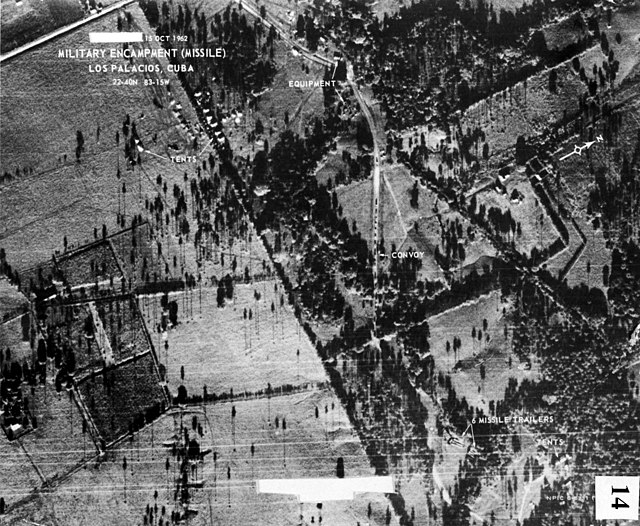
The crisis unfolded when U.S. surveillance spotted missile sites in Cuba, leading to a tense standoff. President Kennedy demanded the removal of the missiles, imposing a naval blockade around Cuba. The world was on the brink of nuclear war as both sides held firm in their positions, engaging in intense diplomatic negotiations.
The impact of the Cuban Missile Crisis was significant. It brought the world to the closest point of nuclear conflict, sparking fears of a global catastrophe. However, both sides eventually reached a resolution, with the Soviets agreeing to remove the missiles in exchange for the U.S. pledging not to invade Cuba and secretly removing their missiles in Turkey.
The Cuban Missile Crisis marked a pivotal moment in the Cold War, highlighting the dangers of nuclear brinkmanship and the need for diplomatic solutions. It led to increased communication between the U.S. and the Soviet Union and the establishment of a direct hotline to prevent future crises.
The event underscored the importance of strategic balance and the perils of nuclear weapons. It served as a cautionary tale of how close the world came to the edge of a catastrophic war and the necessity of cooperation and negotiation in averting such crises.
#CubanMissileCrisis #ColdWar #NuclearThreat #Diplomacy #SovietUnion #UnitedStates #Cuba

Explore the Life Moments of
 AI Twin