Bolshevik Triumph and the Birth of the Soviet Union
Russia

Political
3 min read
Updated By: History Editorial Network (HEN)
Published:
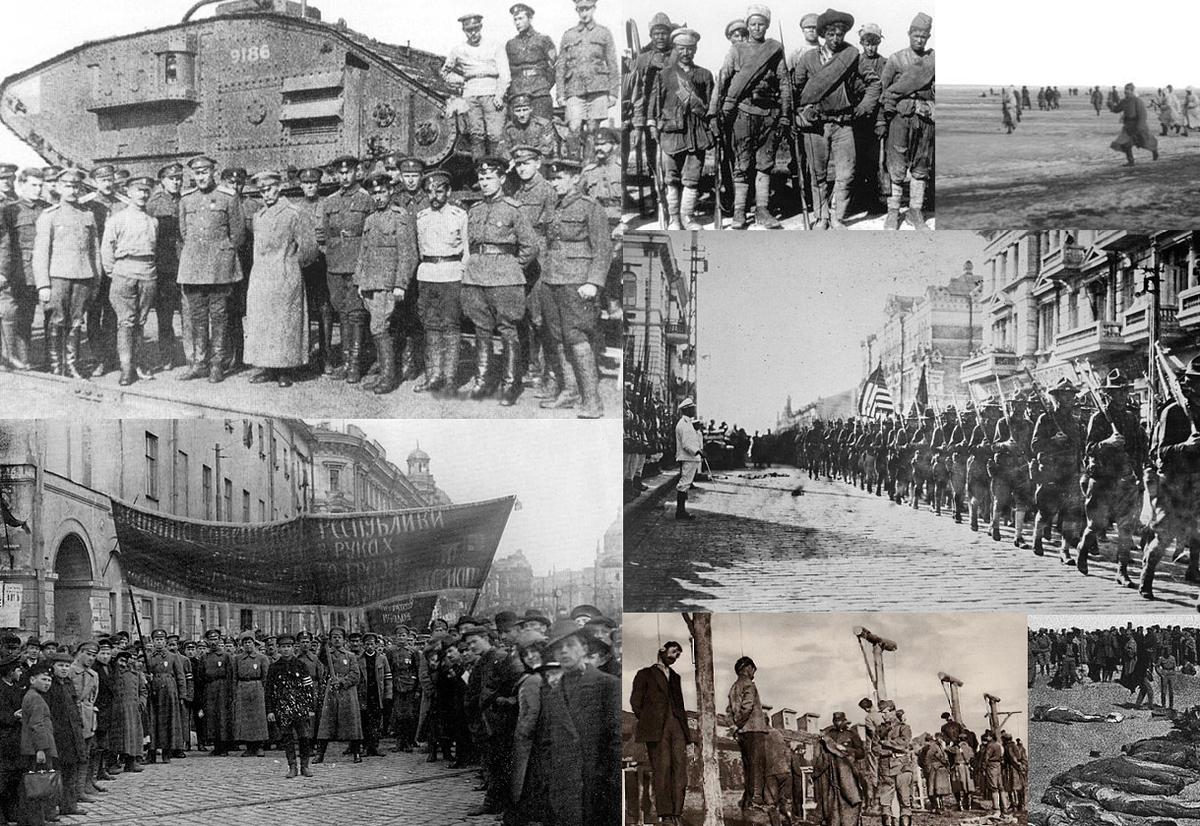
Amidst the turmoil following a revolution earlier, the Russian Civil War erupted in 1917 as differing factions vied for power in the vast expanse of the Russian Empire. The conflict emerged from a complex web of ideological, political, and social tensions that had been brewing for years.
The Bolsheviks, led by Vladimir Lenin, sought to establish a communist regime and a classless society. Opposing them were the White Army, a diverse coalition of anti-Bolshevik forces ranging from monarchists to democrats, united primarily by their opposition to Bolshevik rule. This conflict was intensified by the intervention of several foreign powers, who backed different factions for their own interests.
The impact of the Russian Civil War was devastating, leading to widespread destruction, famine, and loss of life. The economy of the war-torn country was in shambles, and millions of civilians suffered in the crossfire. The conflict also served as a testing ground for new military tactics and ideologies, shaping the course of 20th-century warfare.
In the end, the Bolsheviks emerged victorious, consolidating power and establishing the Soviet Union. The legacy of the Russian Civil War continues to influence Russian politics and society to this day, as different interpretations of the conflict persist.
#RussianCivilWar #Bolsheviks #WhiteArmy #Communism #Conflict #Revolution

Explore the Life Moments of
 AI Twin