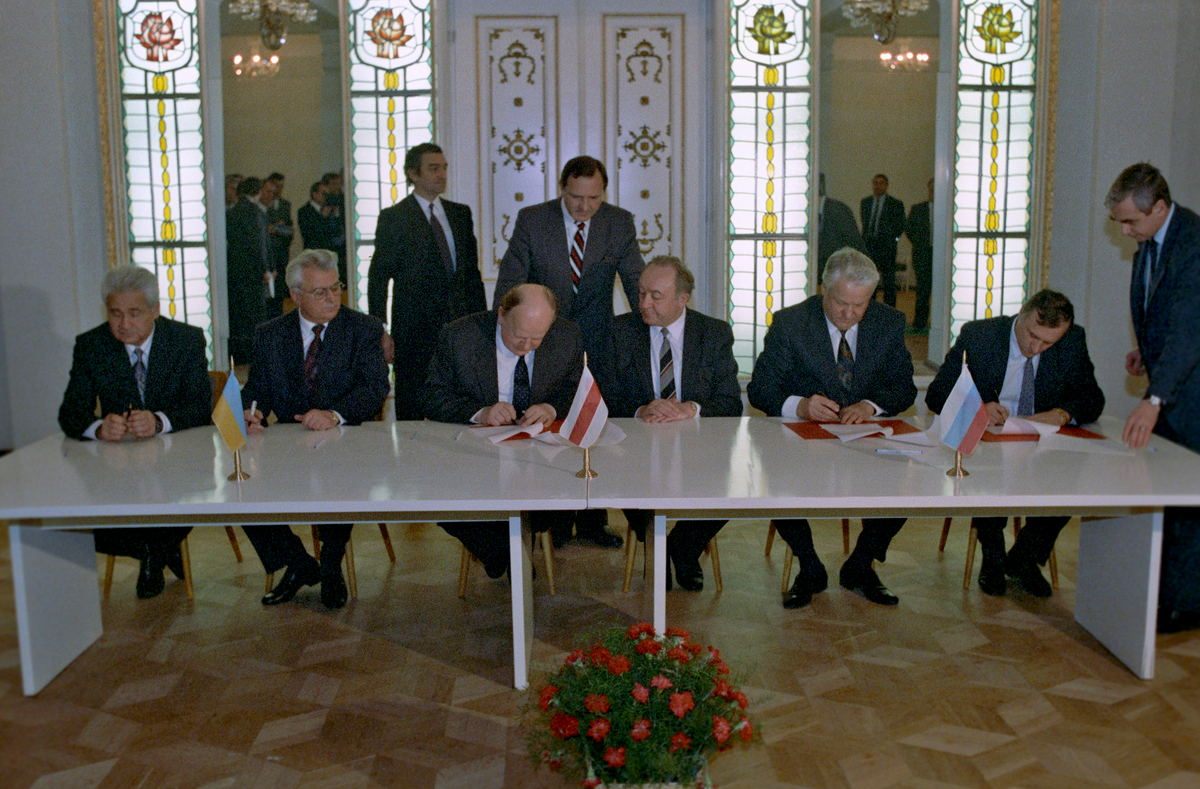
Yeltsin's Letter to NATO Requesting Cooperation
United States of America and Russia
Politics
International Relations
4 min read
Updated By: History Editorial Network (HEN)
Published:
In a pivotal move towards fostering international relations, Boris Yeltsin, the President of Russia, reached out to NATO with a formal request for cooperation. This letter, sent in the early 1990s, marked a significant shift in Russia's post-Soviet foreign policy, as it sought to align itself more closely with Western nations. Yeltsin articulated a vision of mutual understanding and trust, emphasizing that Russia's potential membership in NATO could enhance stability and cooperation across Europe. He expressed a desire to engage in dialogue on both political and military fronts, indicating a willingness to collaborate on security issues that affected the continent. This initiative was rooted in the broader context of the Cold War's end, where former adversaries were exploring new avenues for partnership and collaboration.
The impact of Yeltsin's letter was profound, as it symbolized Russia's intent to integrate into European security frameworks and move away from its isolationist past. The request for NATO membership was not merely a diplomatic gesture; it reflected a strategic shift in Russia's approach to international relations. By proposing this cooperation, Yeltsin aimed to reassure both NATO members and former Soviet states of Russia's commitment to peace and stability in the region. The letter also opened discussions about the future of European security architecture, highlighting the complexities of post-Cold War geopolitics. While the immediate response from NATO was cautious, the dialogue initiated by Yeltsin's letter laid the groundwork for future engagements between Russia and the alliance, influencing the trajectory of European security dynamics for years to come.
#mooflife
#MomentOfLife
#Yeltsin
#Nato
#Russia
#Cooperation
#EuropeanSecurity

Explore the Life Moments of
 AI Twin