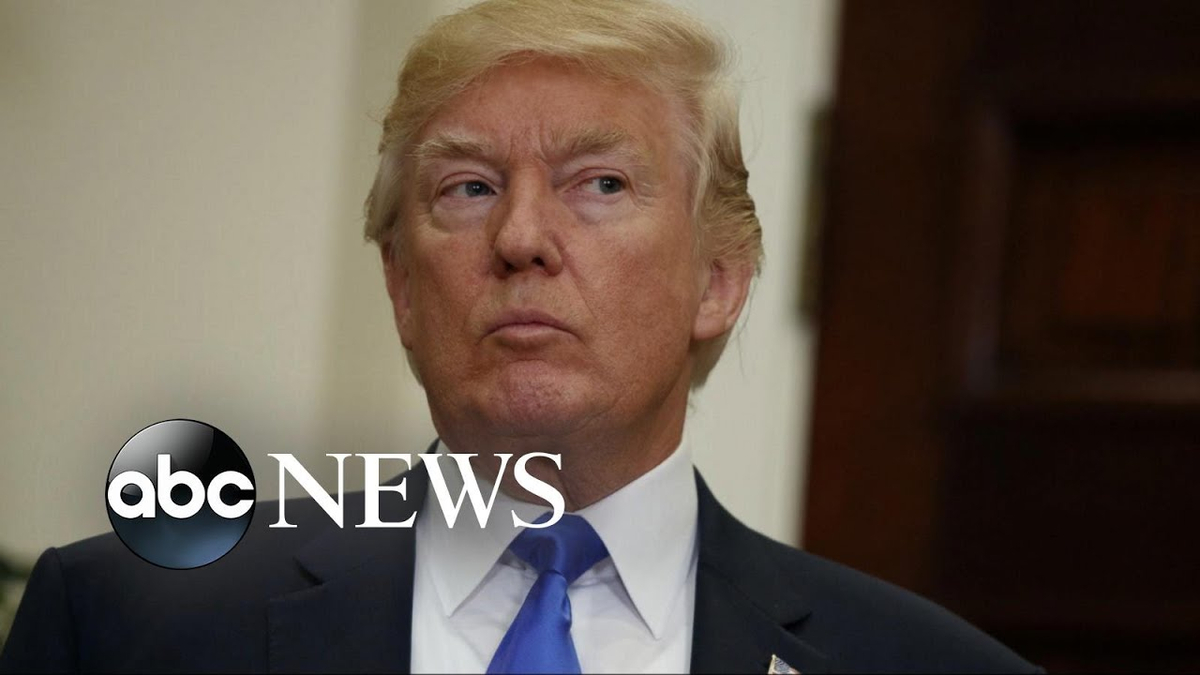
Trump Signs Sanction Bill Against Russia
Washington, United States
International Relations
Legislation
Trade Policy
4 min read
Updated By: History Editorial Network (HEN)
Published:
Updated:
The signing of the sanction bill against Russia by Donald Trump marked a pivotal moment in U.S.-Russia relations. Following the signing, Russian Prime Minister Dmitry Medvedev expressed that the legislation extinguished any remaining hopes for improving ties between the two nations. He characterized the law as a declaration of an 'all-out trade war' with Russia, indicating a significant escalation in economic tensions. The sanctions were primarily a response to Russia's actions in Ukraine and its alleged interference in U.S. elections, reflecting a broader strategy to hold Russia accountable for its geopolitical maneuvers. The bill aimed to impose restrictions on various sectors, including energy, banking, and defense, thereby tightening the economic noose around Russia's economy.
Despite the bill's passage, Trump himself voiced criticism regarding certain aspects of the legislation. In his signing statement, he suggested that he might selectively enforce provisions he considered unconstitutional, highlighting a tension between the executive branch and legislative intent. This duality in Trump's response underscored the complexities of U.S. foreign policy, where the president's approach could diverge from congressional mandates. The sanctions not only aimed to penalize Russia but also served as a signal to allies and adversaries alike about the U.S. commitment to countering aggressive actions on the global stage. The long-term implications of these sanctions continue to influence diplomatic relations and economic interactions between the U.S. and Russia.
#mooflife
#MomentOfLife
#Trump
#SanctionBill
#Russia
#U.s.-russiaRelations
#EconomicSanctions
Primary Reference
Trump signs bill approving new sanctions against Russia

Explore the Life Moments of
 AI Twin