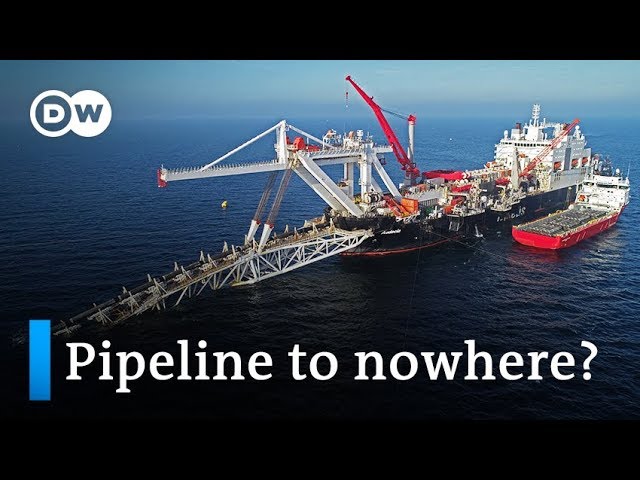
Sanctions on Nord Stream 2
Washington, United States
International Relations
Energy Policy
Sanctions
4 min read
Updated By: History Editorial Network (HEN)
Published:
Updated:
The imposition of sanctions on the Nord Stream 2 pipeline marked a pivotal moment in U.S.-European relations, particularly concerning energy security and geopolitical dynamics. The Trump administration initiated these sanctions in response to concerns over European dependence on Russian natural gas. The Nord Stream 2 pipeline, designed to transport natural gas directly from Russia to Germany, was seen as a strategic project that could enhance Russia's influence in Europe while undermining U.S. interests in the region. The sanctions targeted companies involved in the construction of the pipeline, aiming to halt its progress and promote U.S. liquefied natural gas (LNG) exports to European markets. This move was part of a broader strategy to reduce European reliance on Russian energy and bolster U.S. economic interests abroad.
The reaction to these sanctions was significant, with various stakeholders expressing strong opposition. German Finance Minister Olaf Scholz characterized the sanctions as a severe intervention in both German and European internal affairs, highlighting the tensions between U.S. policy and European energy needs. The European Union also voiced criticism, arguing that the sanctions were an infringement on the rights of EU companies engaged in legitimate business activities. Russian officials, including Foreign Minister Sergey Lavrov, condemned the sanctions, suggesting they were indicative of a broader U.S. agenda to undermine U.S.-Russia relations. The sanctions not only strained diplomatic ties but also raised questions about the future of energy cooperation in Europe, as nations grappled with balancing their energy security with geopolitical pressures.
#mooflife
#MomentOfLife
#NordStream2
#Sanctions
#EnergySecurity
#U.s.-europeRelations
#LiquefiedNaturalGas
Primary Reference
Nord Stream 2: Trump approves sanctions on Russia gas pipeline

Explore the Life Moments of
 AI Twin