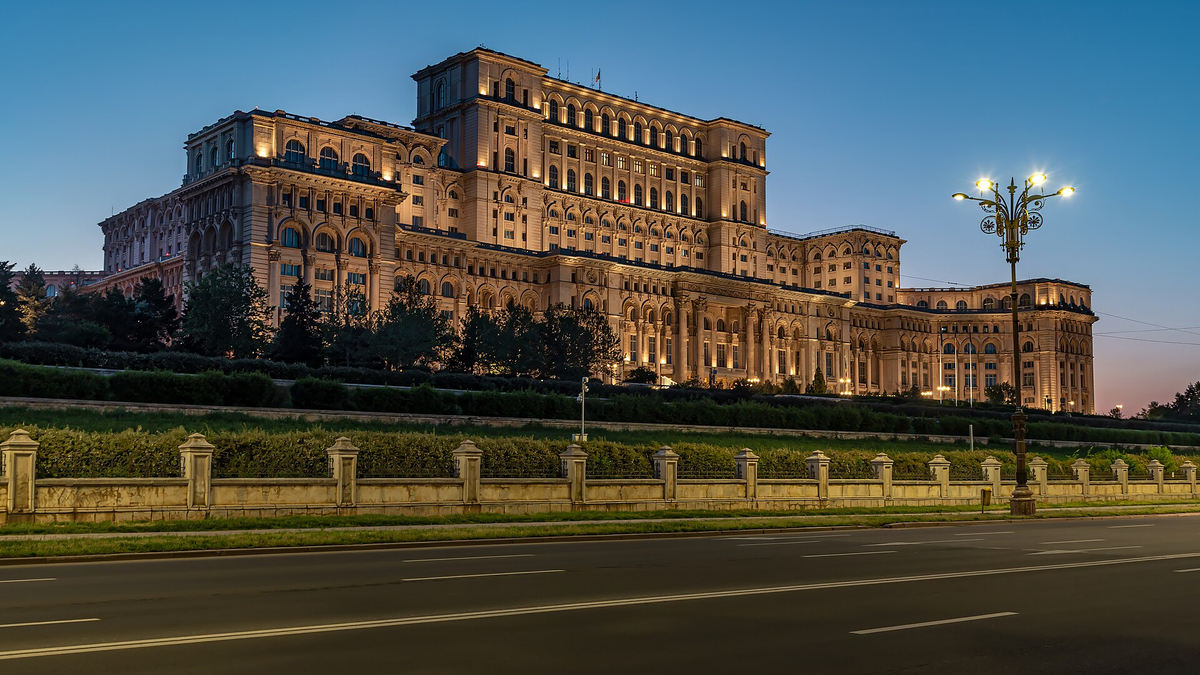
Iconic Palace of Parliament Construction Begins in Bucharest
Romania
Architecture
4 min read
Updated By: History Editorial Network (HEN)
Published:
In June 25, 1984, the construction of the Palace of the Parliament commenced in Bucharest, Romania. This architectural marvel, known for its grandeur and size, stands as a prominent symbol of the country's history and ambition.
The idea for the Palace of the Parliament originated during the leadership of Nicolae Ceaușescu. The construction process was marked by controversy, as it led to the demolition of a significant portion of Bucharest's historic district, displacing thousands of residents in the process. With over a thousand rooms spread across 12 stories, the Palace is one of the largest administrative buildings in the world.
The impact of the Palace of the Parliament on Romania is multifaceted. It serves as the seat of the Parliament and houses various government institutions, playing a crucial role in the country's political landscape. Additionally, the building has become a popular tourist attraction, drawing visitors from around the world to marvel at its architectural splendor.
Despite the criticisms surrounding its construction, the Palace of the Parliament stands as a testament to Romania's aspirations for modernization and development during the communist era. Its intricate design and sheer scale showcase the country's architectural prowess and cultural heritage.
Today, the Palace of the Parliament continues to be a focal point in Bucharest, representing Romania's complex history and enduring resilience. Visitors can explore its opulent interiors, adorned with luxurious materials and intricate decorations, while reflecting on the tumultuous legacy of its construction.
#PalaceoftheParliament #Bucharest #Romania #Architecture #History #CulturalHeritage
Primary Reference
Palace of the Parliament - Wikipedia

Explore the Life Moments of
 AI Twin