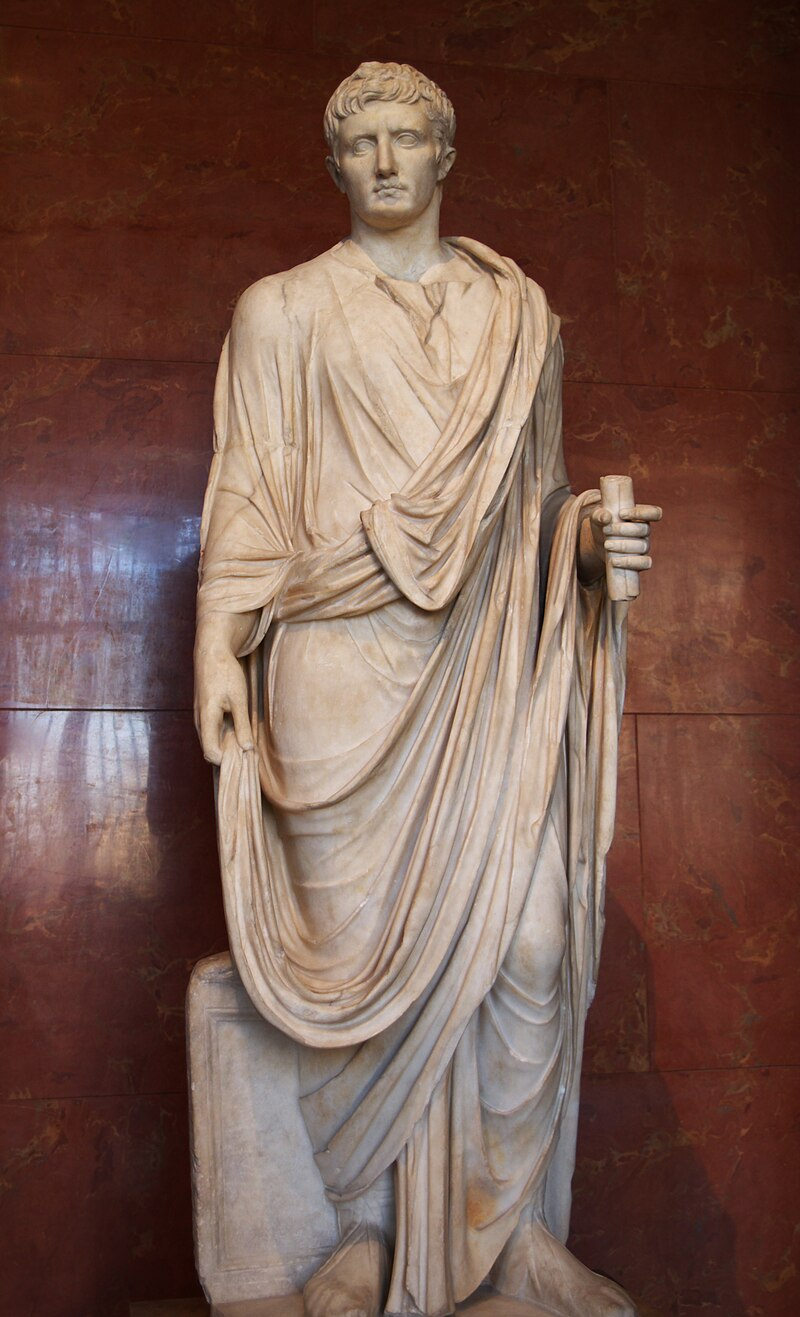
Octavian's Proclamation and Rise to Power
Rome
Ancient Rome
3 min read
Updated By: History Editorial Network (HEN)
Published:
Updated:
Octavian, later known as Augustus, played a crucial role in the transformation of the Roman political landscape. Following a period of civil wars and political instability, he emerged as a key figure in the aftermath of Julius Caesar's assassination. Octavian's rise to power was marked by strategic alliances, military victories, and political maneuvering. He formed the Second Triumvirate with Mark Antony and Marcus Lepidus, which allowed him to consolidate power and eliminate rivals. The defeat of Antony and Cleopatra at the Battle of Actium was pivotal, leading to Octavian's dominance over the Roman world. His ability to navigate the complexities of Roman politics and military affairs positioned him as the sole ruler of Rome.
The proclamation of Octavian as Augustus marked a significant shift in governance, transitioning from the Roman Republic to the Roman Empire. This change was not merely a title; it represented a new political structure where Augustus held supreme authority. He implemented reforms that stabilized the economy, restructured the military, and established a network of roads that facilitated trade and communication across the empire. Augustus' reign initiated a period known as the Pax Romana, characterized by relative peace and prosperity throughout the empire. His policies and governance laid the foundation for future emperors and significantly influenced the course of Roman history, establishing a model of leadership that would endure for centuries.
#mooflife
#MomentOfLife
#Octavian
#Augustus
#RomanEmpire
#PaxRomana
#RomanHistory

Explore the Life Moments of
 AI Twin