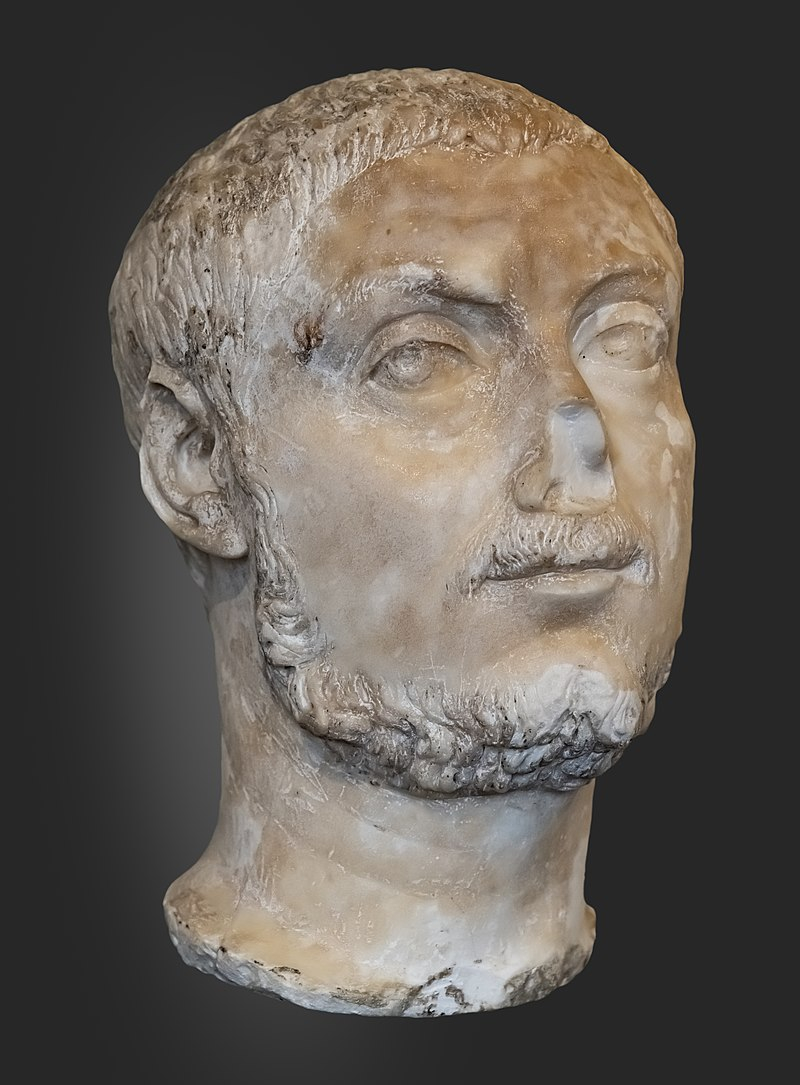
Murder of Emperor Severus Alexander
Rome
Roman History
Military Strategy
Political Leadership
3 min read
Updated By: History Editorial Network (HEN)
Published:
Updated:
The murder of Emperor Severus Alexander marked a critical turning point in the history of the Roman Empire. The empire faced significant challenges during this period, particularly from external threats such as the Germanic tribes and the Sassanid Persian Empire. Alexander's reign was characterized by military defeats, as many Roman legions struggled against the Germanic peoples who were raiding across the borders. While the emperor aimed to address the immediate threat from the Sassanids, his focus on diplomacy and tribute payments to the Germanic chieftains led to discontent among his troops. This approach was perceived as a sign of weakness, undermining his authority and respect among the soldiers who believed they should be retaliating against the invaders rather than appeasing them.
The culmination of these tensions resulted in Alexander's assassination by his own troops, reflecting the broader instability within the Roman military and political structure. This event not only signified the end of his rule but also highlighted the growing disconnect between the emperor and the military, which would have lasting implications for the governance of the empire. The murder of Severus Alexander is often seen as a precursor to the Crisis of the Third Century, a period marked by civil wars, economic decline, and external invasions that would challenge the very foundations of Roman authority.
#mooflife
#MomentOfLife
#SeverusAlexander
#RomanEmpire
#MilitaryHistory
#GermanicTribes
#CrisisOfTheThirdCentury
Primary Reference
https://en.wikipedia.org/wiki/Severus_Alexander

Explore the Life Moments of
 AI Twin