Senator Robert F. Kennedy's Critique of Vietnam War Bombing, 1966
United States of America
Political
5 min read
Updated By: History Editorial Network (HEN)
Published:
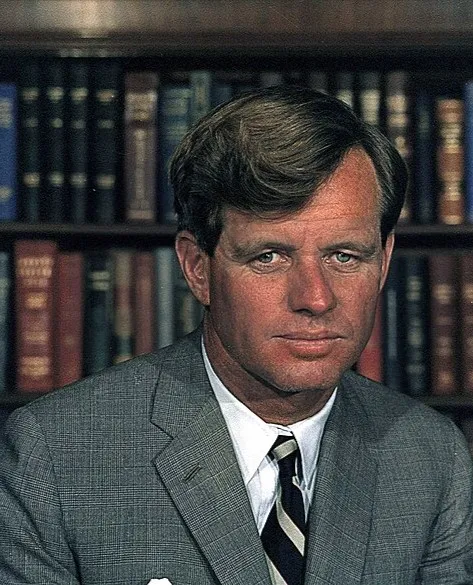
On June 29, 1966, Senator Robert F. Kennedy took a significant and nuanced public stance on the Vietnam War. While addressing the media, Kennedy specifically criticized President Lyndon B. Johnson's decision to bomb the North Vietnamese city of Haiphong. Kennedy expressed grave concern about the humanitarian impact of bombing civilian areas, highlighting the moral and ethical implications of the military action.
Despite this pointed opposition to the bombing of Haiphong, Kennedy avoided a broader denunciation of the Vietnam War itself. Instead, he focused his critique narrowly on the specific military strategy and its consequences. Kennedy's reluctance to fully denounce the war may have been due to various political and strategic considerations. As a prominent Democratic Senator, Kennedy faced the challenge of navigating a complex political landscape where outright opposition to the war could alienate certain voter bases and political allies.
The impact of Kennedy's position was multifaceted. On the one hand, his vocal opposition to the bombing of Haiphong resonated with the growing anti-war sentiment among the American public. Many citizens and activists praised his willingness to challenge the administration's actions in Vietnam. On the other hand, Kennedy's avoidance of a broader condemnation of the war disappointed some anti-war activists who sought a more comprehensive rejection of U.S. involvement in Vietnam.
Kennedy's nuanced stance also reflected the broader divisions within the Democratic Party and the country over the Vietnam War. Public opinion was increasingly polarized, with protests and demonstrations becoming more frequent and intense. The war had resulted in over 6,000 American military casualties by this time, and the financial cost was escalating, putting additional strain on the U.S. economy.
Kennedy's position can be seen as an attempt to balance his moral concerns with political pragmatism. His critique of the Haiphong bombings highlighted the ethical dilemmas of the war without fully alienating supporters who believed in the necessity of the U.S. presence in Vietnam. This moment in Kennedy's political career underscore the complexity of his views on Vietnam, reflecting broader societal tensions and the challenges of political leadership during a time of conflict.
#MoofLife #VietnamWar #RFK #PoliticalStance #USHistory #VietnamWarDebate #RobertFKennedy
Primary Reference
Kitty Hawk II (CVA-63)
Explore the Life Moments of
 AI Twin