Impact of JFK's Assassination: Legacy, Conspiracy, and Political Shift
United States of America
Political
4 min read
Updated By: History Editorial Network (HEN)
Published:
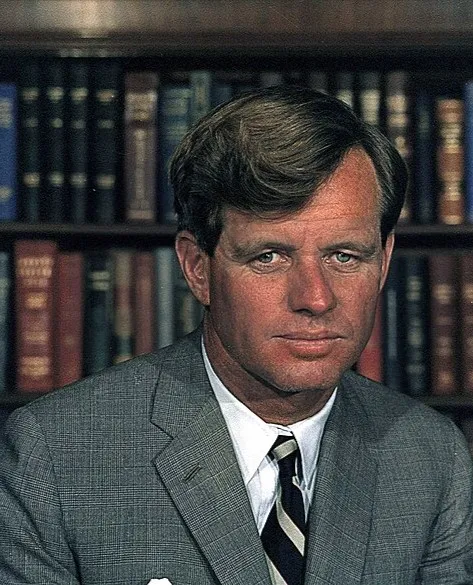
Robert Kennedy, serving as the United States Attorney General, was profoundly impacted when his brother, President John F. Kennedy, was assassinated while riding in a motorcade in Dallas, Texas. John F. Kennedy was struck by sniper fire while traveling through Dealey Plaza, leading to immediate nationwide shock and grief.
John F. Kennedy's presidency began during a tumultuous period marked by the Cold War, Cuban Missile Crisis, and significant civil rights movements. His vision for a more progressive and inclusive America had inspired hope among many citizens.
Lee Harvey Oswald, a former Marine, was apprehended shortly after the assassination. The subsequent investigation by the Warren Commission concluded that Oswald acted alone. However, the event gave rise to numerous conspiracy theories that persist into the present time.
The impact of President Kennedy's assassination reverberated globally, inducing a significant political shift within the United States. Lyndon B. Johnson assumed the presidency, pushing forward with major legislative changes, including civil rights reforms and escalated involvement in Vietnam.
Robert Kennedy, deeply affected by his brother's death, continued his political career, becoming a U.S. Senator. His subsequent run for the presidency was seen as a continuation of his brother's legacy, aiming to address the same social and economic injustices. Tragically, Robert Kennedy was also assassinated five years later, further casting a shadow over the Kennedy family's legacy.
The assassination of President John F. Kennedy remains a focal point of American history, symbolizing both the fragility of security for public figures and the enduring quest for truth and justice.
#MoofLife #AmericanHistory #KennedyAssassination #PoliticalImpact #USHistory #ColdWar
Primary Reference
President John F. Kennedy Gravesite
Explore the Life Moments of
 AI Twin