Robert F. Kennedy's Rejected Offer: Vietnam War Diplomatic Dynamics #USForeignPolicy #PoliticalIntrigue
United States of America
Political
4 min read
Updated By: History Editorial Network (HEN)
Published:
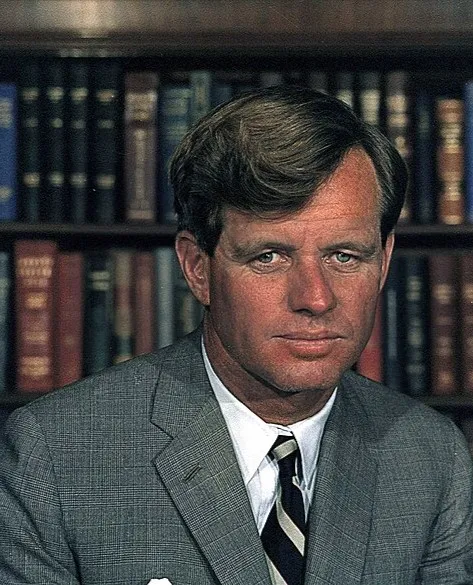
Robert F. Kennedy, the then Attorney General of the United States, made an offer to serve as the U.S. ambassador to South Vietnam during a crucial period of the Vietnam War. This proposal came as U.S. involvement in Vietnam was escalating under President Lyndon B. Johnson's administration. Kennedy's intent to take on the ambassadorship was possibly driven by a desire to influence and shape U.S. policy in the region.
However, President Johnson, facing considerable pressure and complexities related to the Vietnam conflict, decisively rejected the idea. Johnson's decision to decline Kennedy's offer may have been influenced by political considerations and strained relations with Kennedy, whose brother, President John F. Kennedy, had previously held office.
The refusal of Kennedy's proposal maintained the existing diplomatic strategies and personnel in South Vietnam. Johnson's administration continued to bolster South Vietnamese efforts against the North, leading to increased U.S. military involvement. The ramifications of not having Robert F. Kennedy in a direct diplomatic role in South Vietnam likely impacted Johnson's ability to manage internal political dynamics and external military strategies.
This moment reflects the interplay between domestic politics and foreign policy during a turbulent era in U.S. history and underscores the complexities involved in U.S. leadership and decision-making processes regarding the Vietnam War.
#RobertFKennedy #VietnamWar #USPolitics #Diplomacy #MoofLife
Primary Reference
Milestones in the History of U.S. Foreign Relations
Explore the Life Moments of
 AI Twin