Dürer's Early Influence Before Italian Renaissance
Italy
Art
Renaissance
3 min read
Updated By: History Editorial Network (HEN)
Published:
Updated:
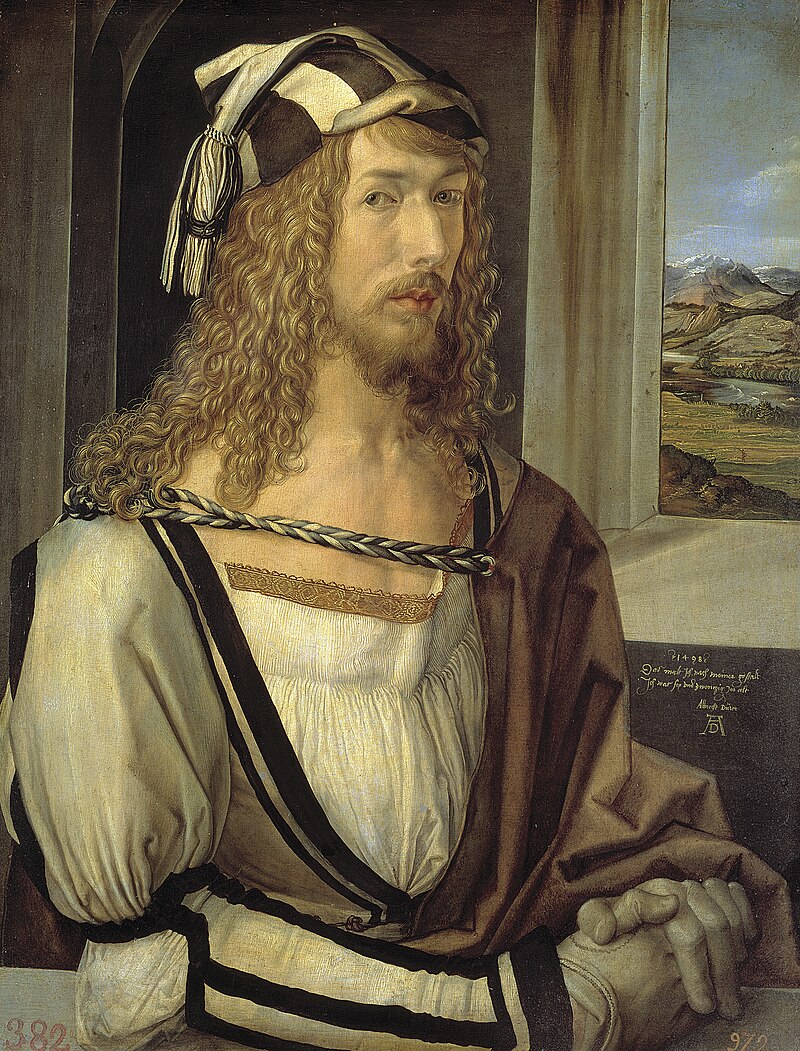
Albrecht Dürer, born in the late 15th century, emerged as a pivotal figure in the early stages of the Renaissance in Germany and the Low Countries. His contributions to art and printmaking were significant in shaping the cultural landscape of the region before the full influence of the Italian Renaissance took hold. Dürer's mastery of various techniques, including woodcut and engraving, allowed for the widespread dissemination of his works, which played a crucial role in the development of Northern Renaissance art. The advent of the printing press around the same time facilitated the distribution of his prints, making art more accessible to a broader audience and fostering a greater appreciation for artistic expression in Germany.
Dürer's works often reflected a blend of Gothic traditions and emerging Renaissance ideals, showcasing his unique ability to merge different artistic influences. His attention to detail and innovative approaches to perspective and proportion set a new standard for artists in the region. Dürer's impact extended beyond his lifetime, influencing subsequent generations of artists and contributing to the establishment of a distinct German artistic identity. His legacy is evident in the way he paved the way for future artists to explore and incorporate Renaissance themes, ultimately enriching the cultural heritage of Germany and the broader European art scene.
#mooflife
#MomentOfLife
#AlbrechtDürer
#GermanRenaissance
#RenaissanceArt
#PrintingPress
#NorthernRenaissance

Explore the Life Moments of
 AI Twin