Birth of Thomas More
Italy
Literature
Biographies
3 min read
Updated By: History Editorial Network (HEN)
Published:
Updated:
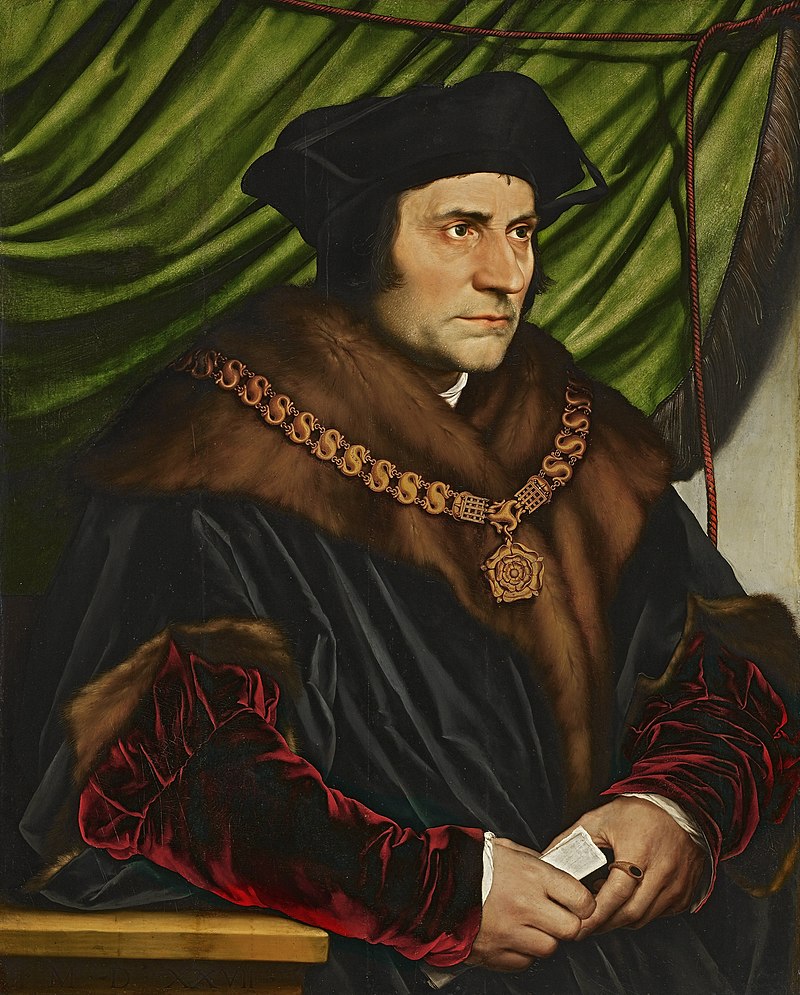
Sir Thomas More was a prominent figure in English literature and philosophy during the Renaissance. Born in 1478, he is best known for his work 'Utopia', which presents a vision of a perfect society and critiques contemporary social and political issues. More's ideas on governance, ethics, and humanism had a lasting impact on political thought and literature. His advocacy for the importance of reason and moral integrity in governance resonated with many thinkers of his time and beyond. More's execution for refusing to accept the supremacy of the King over the Church highlighted the tensions between individual conscience and state authority, further cementing his legacy as a martyr for his beliefs.
In addition to More, Sir Francis Bacon emerged as a key figure in the evolution of modern scientific thought. His works laid the groundwork for the scientific method, emphasizing empirical evidence and inductive reasoning. Bacon's influence extended beyond literature into the realms of philosophy and science, shaping the way knowledge was pursued and understood. His writings encouraged a systematic approach to inquiry, which has had a profound effect on the development of various scientific disciplines. Together, these figures represent a pivotal shift in English literature and thought, marking a transition towards modernity and influencing countless generations of writers, philosophers, and scientists.
#mooflife
#MomentOfLife
#SirThomasMore
#FrancisBacon
#EnglishRenaissance
#Utopia
#ScientificMethod

Explore the Life Moments of
 AI Twin