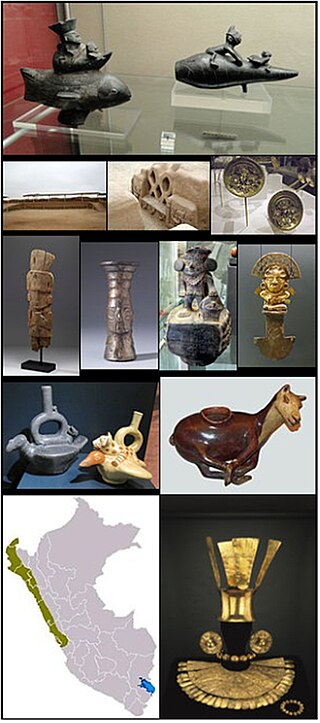
The Chimu Civilization of Peru
Peru
Archaeology
Civilization
3 min read
Updated By: History Editorial Network (HEN)
Published:
Updated:
The Chimu civilization, known for its remarkable urban planning and architectural prowess, thrived along the northern coast of Peru from approximately 1140 to 1450 AD. This pre-Inca culture was characterized by a loose confederation of walled cities, with Chan Chan serving as its capital. Located near modern-day Trujillo, Chan Chan is recognized as one of the largest adobe cities in the world, showcasing the Chimu's advanced engineering and artistic skills. The Chimu people were adept at agriculture, utilizing sophisticated irrigation techniques to cultivate crops in the arid coastal environment. Their society was organized and hierarchical, with a strong emphasis on trade, which facilitated the exchange of goods and cultural practices with neighboring regions. The Chimu civilization left a lasting legacy, influencing subsequent cultures, including the Inca, who eventually absorbed them. Today, the ruins of Chan Chan are a UNESCO World Heritage site, attracting researchers and tourists alike, eager to learn about this fascinating civilization that played a crucial role in the history of ancient Peru.

Explore the Life Moments of
 AI Twin