State of Emergency declared in response to riots in Papua New Guinea.

| Political | Economic Downturn |
Updated By: History Editorial Network (HEN)
Published: | Updated:
3 min read
In response to escalating riots, Prime Minister James Marape declared a 14-day state of emergency. The decision followed weeks of civil unrest in Papua New Guinea, spurred by economic hardships and public discontent over governance issues. The immediate trigger for the riots was the sudden rise in fuel prices and increased taxation, which exacerbated the struggle for many citizens already facing a high cost of living.
The declaration of the state of emergency aimed to restore order and provide room for dialogue between the government and public stakeholders. Law enforcement agencies were granted broader powers to address the situation, imposing curfews, limiting public gatherings, and conducting raids to confiscate illegal weapons. These measures aimed to prevent further violence and property damage, which had resulted in injuries and disrupted daily life in affected areas.
Businesses, schools, and public services experienced significant interruptions. The economic impact was considerable, with business
Primary Reference: Papua New Guinea puts capital under state of emergency after ...
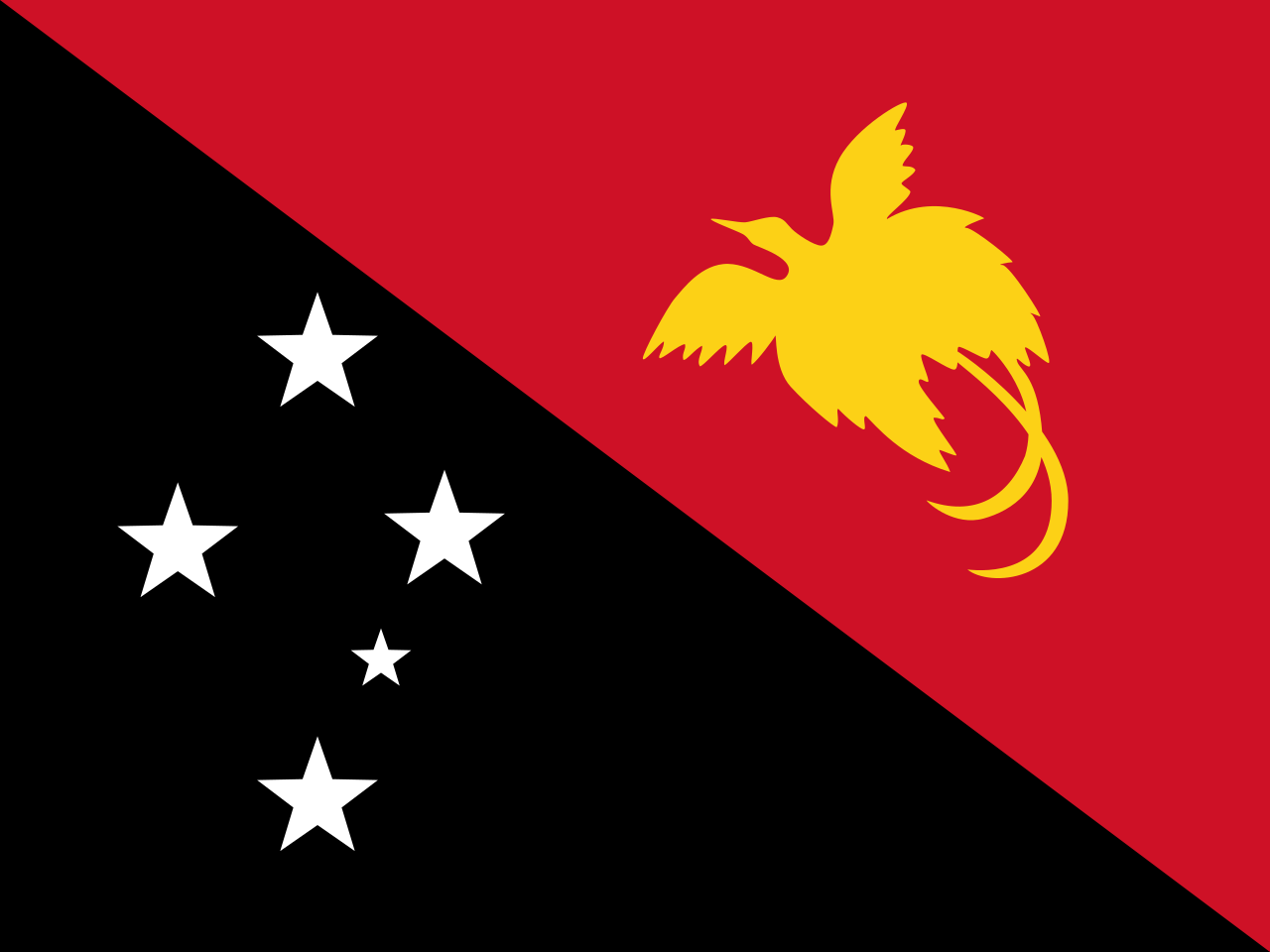
Explore the Life Moments of Papua New Guinea |