Transition of British New Guinea to Australian administration

| Political | Economic Downturn |
Updated By: History Editorial Network (HEN)
Published: | Updated:
4 min read
British New Guinea, located in the southwestern Pacific, had been under British administration since 1884. Governance of the territory presented continuous challenges due to its remote location and diverse population. The British realized that more direct oversight was necessary to maintain order and to develop the economic potential of the region.
Hence, administration was transferred to the newly federated Commonwealth of Australia. This transition aimed to bring economic and administrative efficiency. The Australian government was closer geographically and possessed more direct interest in the stability and development of the region. The move was significant as it marked an expansion of Australian influence into the Pacific.
This change in administration had several impacts. Economically, it enabled Australia to access the rich natural resources of British New Guinea, such as gold, timber, and potential agricultural lands. Administratively, it allowed the Australian government to implement more integrated strategies for governance, law enforcement, and infrastructure development in the region.
The inclusion of British New Guinea under Australian administration also had implications for the indigenous populations. The Australian approach to governance introduced new legal systems, economic practices, and social policies. These changes sometimes led to conflicts with traditional ways of life but also brought new opportunities for trade and employment.
#ColonialHistory #Australia #PapuaNewGuinea #Governance
Primary Reference: Introduction - Papua New Guinea Law - Library Guides at University ...
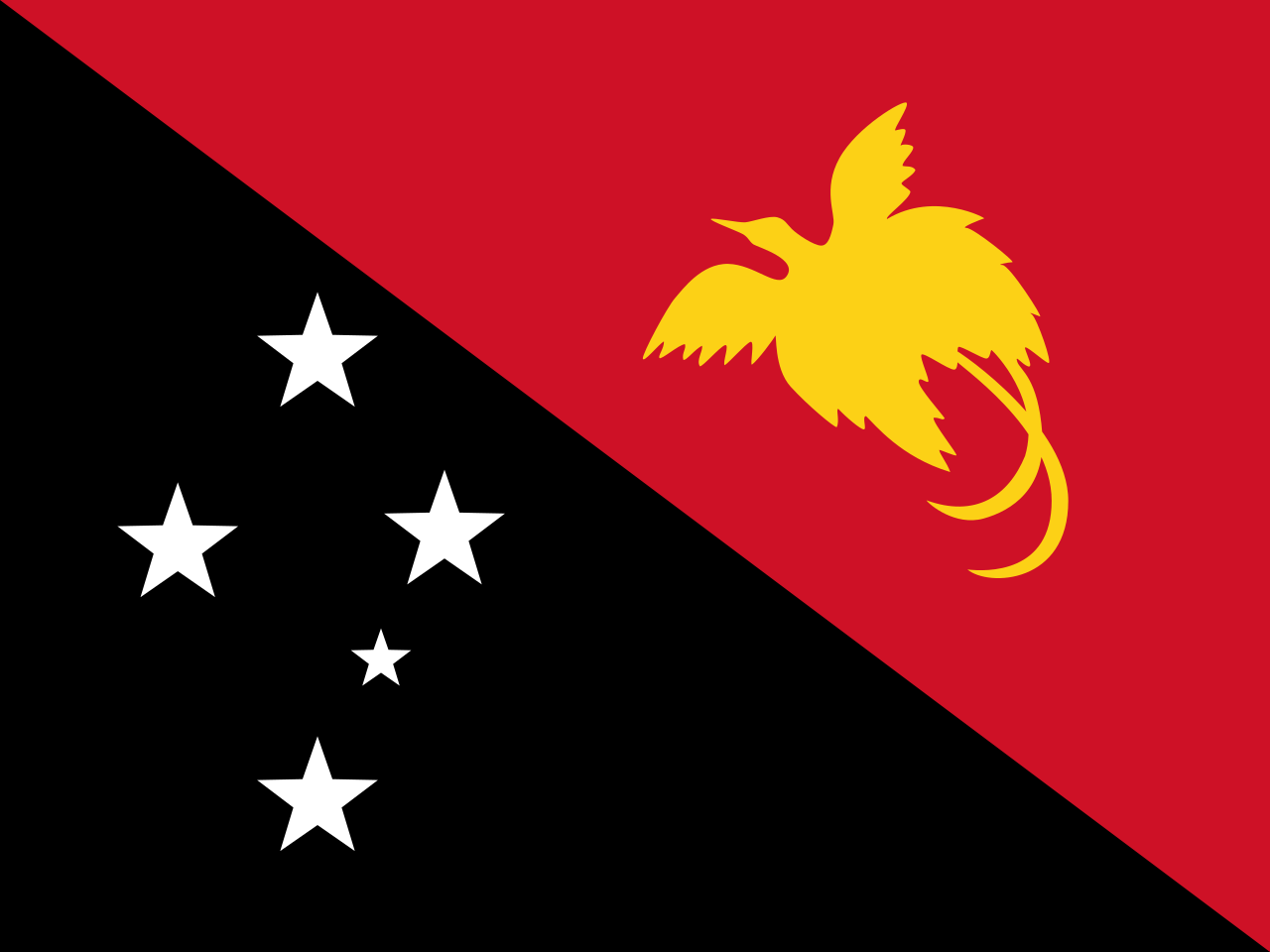
Explore the Life Moments of Papua New Guinea |