Establishment of Legislative Council in Papua and New Guinea

| Political |
Updated By: History Editorial Network (HEN)
Published: | Updated:
4 min read
The establishment of a Legislative Council for the Territory of Papua and New Guinea marked a pivotal step in the political evolution of the region. Before this development, governance was directly administered by an appointed Australian administrator with minimal local political representation. Recognizing the need for a structured political framework that included local representation, the Australian government introduced a Legislative Council.
The Council consisted of 29 members: 14 official members holding administrative roles, 9 nominated non-government members, and 6 members elected by qualified male European residents. This structure aimed at involving local inhabitants, including some European settlers, in the legislative process and decision-making, crucial for addressing unique regional challenges.
Despite its limitations and partial representation, the Legislative Council allowed for debate and some contribution from locals. This inclusion was a shift from purely administrative control to a somewhat participatory form of governance. It paved the way for discussions on economic, social, and cultural matters affecting the territory and highlighted the importance of local perspectives.
The establishment of the Legislative Council was significant in laying the groundwork for self-governance and eventually full independence. It represented an early form of localized government, helping to shape the political landscape and engage residents in the governance process.
#MoofLife #PapuaNewGuinea #PoliticalHistory #LegislativeCouncil #Governance #LocalRepresentation
Primary Reference: Legislative Council of Papua and New Guinea - Wikipedia
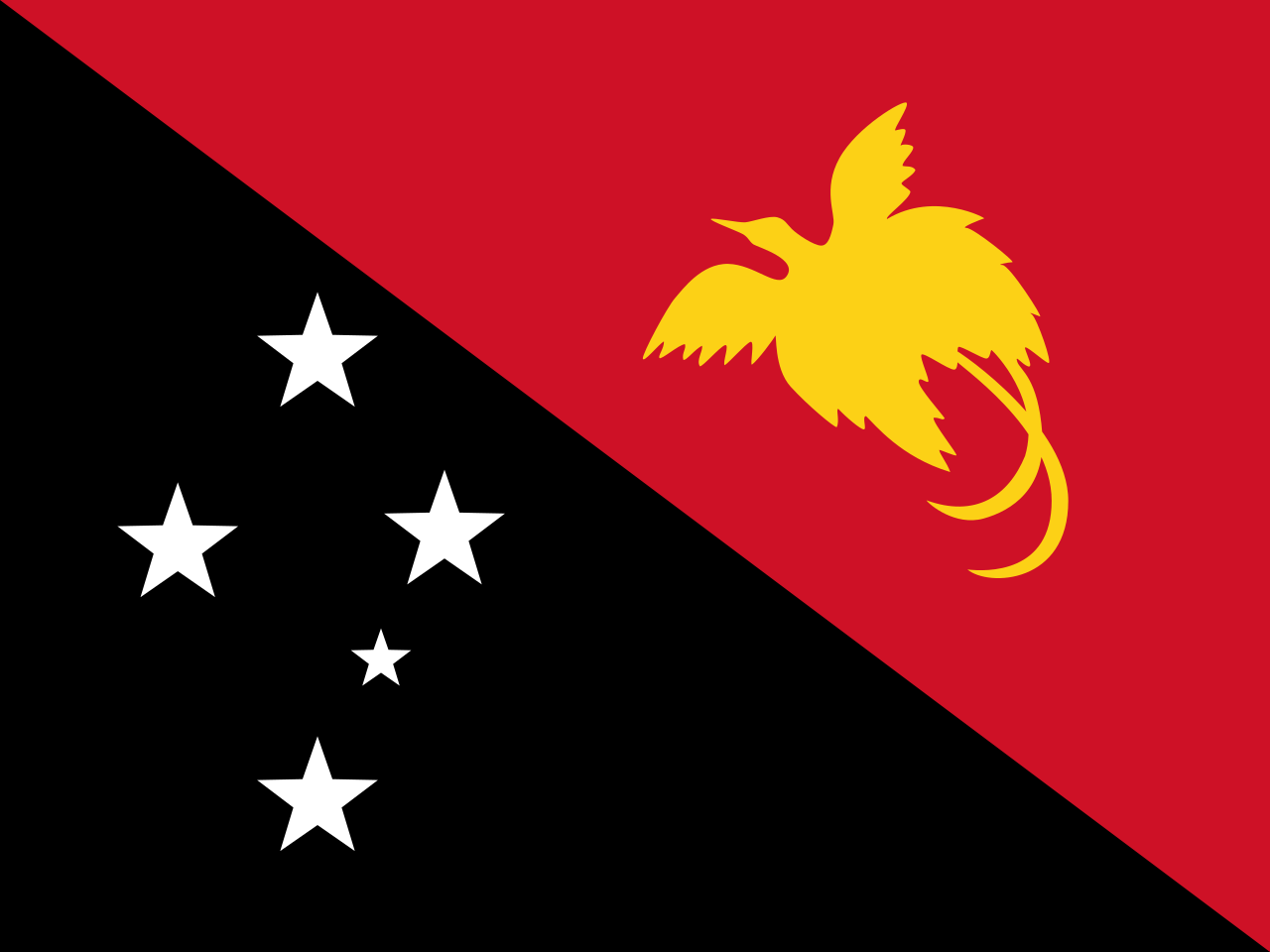
Explore the Life Moments of Papua New Guinea |