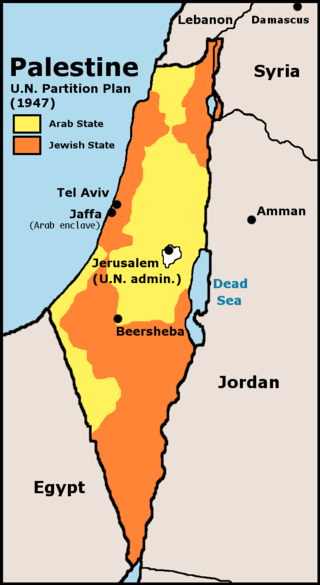
United Nations Proposes Partition Plan for Palestine in 1947 to Address Regional Conflicts
Palestine
International Relations
Middle East
3 min read
Updated By: History Editorial Network (HEN)
Published:
Updated:
In 1947, the United Nations proposed a partition plan for Palestine, which aimed to resolve the ongoing conflict between Jewish and Arab populations in the region. The plan recommended the establishment of separate Jewish and Arab states, with Jerusalem designated as an international city. This proposal was a response to the increasing tensions and violence in Palestine, as well as the aftermath of World War II and the Holocaust, which intensified Jewish aspirations for a homeland. Jewish leaders accepted the plan, viewing it as a legitimate path to statehood. However, the Arab nations and Palestinian leaders rejected the proposal, arguing that it violated the rights of the Arab majority in Palestine. The rejection of the plan led to heightened tensions and violence, ultimately culminating in the 1948 Palestine War following the declaration of the State of Israel. The partition plan remains a significant historical event, as it set the stage for the ongoing Israeli-Palestinian conflict and shaped the geopolitical landscape of the Middle East. The legacy of the 1947 partition plan continues to influence discussions around peace and statehood in the region today.
#mooflife
#MomentOfLife
#UnPartitionPlan
#Palestine1947
#Israeli-palestinianConflict
#MiddleEastHistory
#JewishAndArabStates

Explore the Life Moments of
 AI Twin