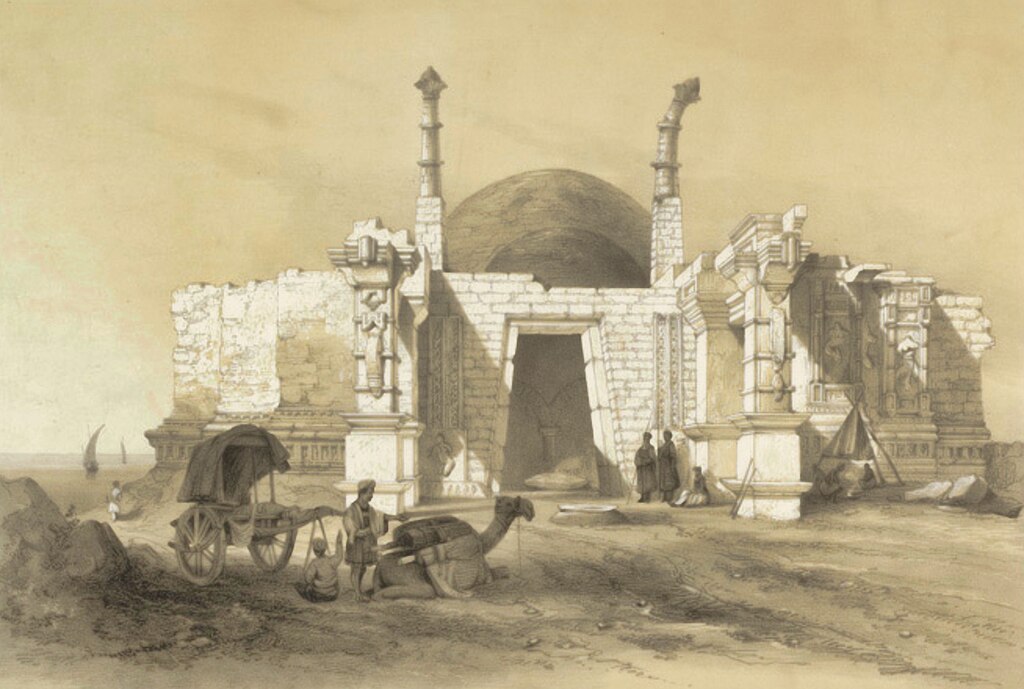
Plundering of the Somnath Temple
Pakistan
Religion
4 min read
Updated By: History Editorial Network (HEN)
Published:
Mahmud of Ghazni, a powerful ruler from the Ghaznavid Empire, led a military expedition to the prosperous city of Somnath, located in present-day Pakistan. The Somnath Temple, known for its grandeur and wealth, became the target of Mahmud's campaign aimed at acquiring riches and asserting his dominance in the region.
The expedition to Somnath was not an isolated event but part of Mahmud's larger military conquests in the Indian subcontinent. The raid on the Somnath Temple was particularly significant due to the temple's immense wealth, making it a prime target for plunder. Mahmud's forces looted the temple, seizing its treasures and causing widespread destruction.
The impact of Mahmud of Ghazni's expedition to Somnath was profound and far-reaching. It not only bolstered his reputation as a formidable conqueror but also showcased the might of the Ghaznavid Empire. The plundering of the Somnath Temple had lasting effects on the region, leading to economic repercussions and cultural upheaval.
The event sparked outrage among the local population and Hindu rulers, who viewed Mahmud's actions as sacrilegious and barbaric. The raid on the Somnath Temple was a stark reminder of the brutality of medieval warfare and the unchecked ambition of powerful rulers.
The expedition to Somnath and the subsequent plundering of the temple underscored the complex dynamics of power, religion, and wealth in the medieval era. Mahmud of Ghazni's campaign to Somnath remains a contentious and debated topic in history, reflecting the legacy of conquest and conflict in the region.
#MahmudofGhazni #SomnathTemple #Plunder #Conquest #MedievalHistory #PakistanHistory
Primary Reference
Somnath temple - Wikipedia

Explore the Life Moments of
 AI Twin