Pakistan Joins the Mecca Joint Defence Agreement Amid Regional Security and Economic Pressures
Mecca, Saudi Arabia
Political
7 min read
Updated By: History Editorial Network (HEN)
Published:
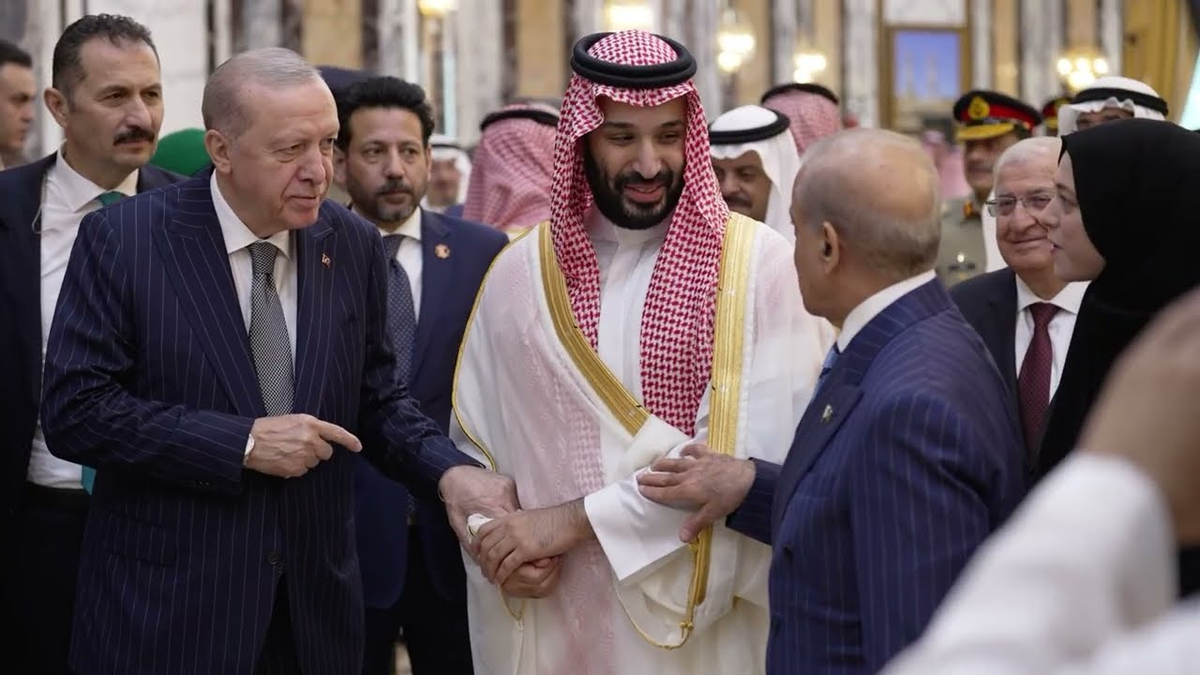
Pakistan formally joined the Mecca Joint Defence Agreement on 07/08/2026, establishing a trilateral security framework with Saudi Arabia and Turkey. The agreement expanded defense cooperation among the three countries during a period of heightened tensions across the Middle East and placed Pakistan at the center of a new regional security arrangement.
According to reports and public statements surrounding the agreement, Pakistan presented its participation as a defensive commitment focused on protecting Saudi territory and Islamic holy sites. Pakistani officials emphasized that the deployment of military resources under the agreement was not intended to support offensive operations beyond Saudi Arabia's borders.
Economic considerations played an important role in Islamabad's decision. Pakistan has maintained a long standing economic relationship with Saudi Arabia that includes financial assistance, investment, and energy cooperation. Saudi support has historically included financial packages, deferred oil payments, and investments that have helped Pakistan manage periods of economic instability.
The agreement also strengthened an existing defense relationship that had already expanded through bilateral cooperation in previous years. Pakistan and Saudi Arabia have maintained military ties for decades, including training programs, security cooperation, and the deployment of Pakistani military personnel within the Kingdom. The 2026 agreement formalized broader cooperation in areas such as air defense, military coordination, logistics, and joint planning.
Pakistan's participation also highlighted the country's military capabilities within the Islamic world. As the only Muslim majority nation possessing nuclear weapons, Pakistan occupies a unique strategic position. Analysts noted that participation in the agreement increased Islamabad's influence within Gulf security discussions and reinforced its role as a defense partner for Saudi Arabia.
At the same time, the agreement introduced new diplomatic challenges. Pakistan shares a long and sensitive border with Iran, and successive Pakistani governments have generally attempted to maintain balanced relations with both Tehran and Riyadh. The new security framework raised questions about how Islamabad would preserve this balance while expanding its military cooperation with Saudi Arabia.
Domestic considerations added another layer of complexity. Pakistan's diverse population includes a substantial Shia Muslim community, and policymakers faced the challenge of preventing regional rivalries from intensifying domestic political and sectarian tensions. Officials repeatedly emphasized that any military commitments under the agreement would remain limited to defensive operations within Saudi territory.
Turkey's participation added an additional dimension to the partnership through defense technology cooperation. Reports highlighted opportunities for expanded collaboration involving military industries, including drone development, technology transfers, training, and defense manufacturing projects among the three countries.
Why This Moment Matters:
Pakistan's participation in the Mecca Joint Defence Agreement illustrated the difficult balance between economic necessity, regional diplomacy, and national security. The agreement demonstrated how financial partnerships, military cooperation, energy security, and geopolitical considerations increasingly overlap in shaping Pakistan's foreign policy.
#Pakistan
#MeccaJointDefenceAgreement
#SaudiArabia
#Turkey
#Defense
#MiddleEast
#Geopolitics
#PakistanMilitary

Explore the Life Moments of
 AI Twin