Establishment of Bahawalpur State after Independence from Sikh Empire
Pakistan
Political
Regional Politics
4 min read
Updated By: History Editorial Network (HEN)
Published:
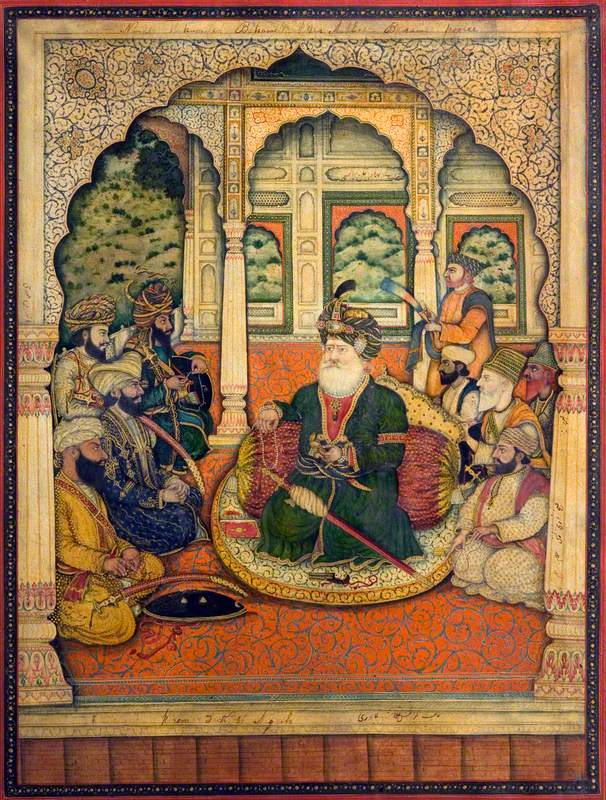
Nawab Muhammad Bahawal Khan I, a prominent leader within the region of Punjab, declared independence from the Sikh Empire, establishing the State of Bahawalpur. This move was driven by a desire to gain autonomy and establish his authority over the territories under his rule.
The State of Bahawalpur was strategically positioned between the British and Sikh territories, allowing it to function as a buffer zone, maintaining a delicate balance between the two major powers. The new state quickly flourished under Nawab Muhammad Bahawal Khan I's leadership, who focused on economic development, infrastructure, and governance.
The establishment of Bahawalpur had a significant impact on the political landscape of the region, as it created a political entity that was independent of the Sikh Empire, providing a sense of sovereignty and self-governance to the people of the region. It also led to the formation of a new power center that played a crucial role in regional politics.
The State of Bahawalpur continued to grow and thrive under subsequent Nawabs, expanding its territory and influence in the surrounding areas. The rulers of Bahawalpur maintained a delicate balance of power, engaging in diplomacy with the British and Sikh Empires to safeguard their autonomy and interests.
The legacy of the establishment of the State of Bahawalpur remains significant in the history of Pakistan, reflecting a chapter of defiance and independence in the face of colonial rule. The region's rich cultural heritage and architectural marvels stand as a testament to its glorious past.
#Bahawalpur #Independence #NawabMuhammadBahawalKhanI #SikhEmpire #RegionalPolitics #Sovereignty

Explore the Life Moments of
 AI Twin