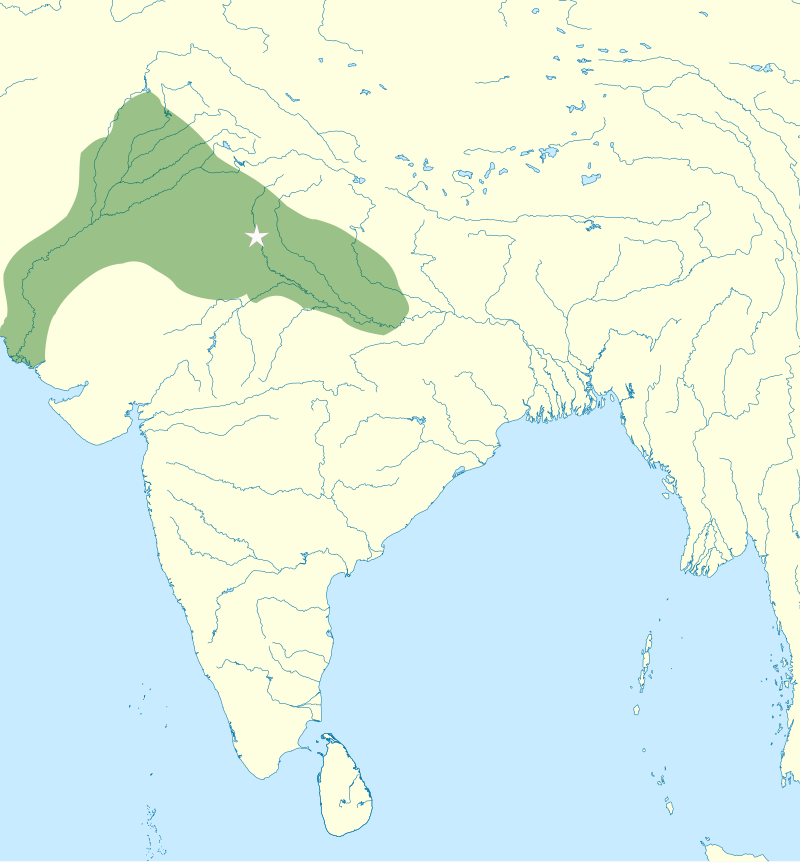
Conquest of Multan by Alauddin Khilji
Pakistan

Political
Global Trade
4 min read
Updated By: History Editorial Network (HEN)
Published:
In the late 13th century, the Delhi Sultanate, led by Alauddin Khilji, set its sights on the prosperous city of Multan in present-day Pakistan. Multan, known for its wealth and strategic importance, was ruled by the local Khokhar tribe at the time. Alauddin Khilji, a shrewd and ambitious ruler, saw the conquest of Multan as a crucial step in expanding his empire and gaining control over the lucrative trade routes in the region.
Faced with superior military tactics and a well-trained army, the defenders of Multan were no match for the forces of the Delhi Sultanate. After a fierce battle, the city fell to the Sultanate, marking a significant victory for Alauddin Khilji and solidifying his power in the region. The conquest of Multan not only brought immense wealth and resources to the Delhi Sultanate but also established their dominance over the Punjab region.
The impact of the conquest reverberated beyond just the military victory. It allowed the Delhi Sultanate to exert greater control over trade routes, especially those connecting Central Asia with the Indian subcontinent. The fall of Multan also served as a warning to other local rulers in the region, demonstrating the Delhi Sultanate's military prowess and determination to expand its influence.
The conquest of Multan by the Delhi Sultanate under Alauddin Khilji exemplifies the era's patterns of ambitious rulers vying for power and control. It underscores the strategic importance of key cities like Multan in shaping the political landscape of the time. The event serves as a reminder of the complexities of medieval power struggles and the relentless pursuit of expansion and dominance in the region. #DelhiSultanate #ConquestofMultan #AlauddinKhilji #MedievalEmpires
Primary Reference
Alauddin Khalji's conquest of Multan - Wikipedia

Explore the Life Moments of
 AI Twin