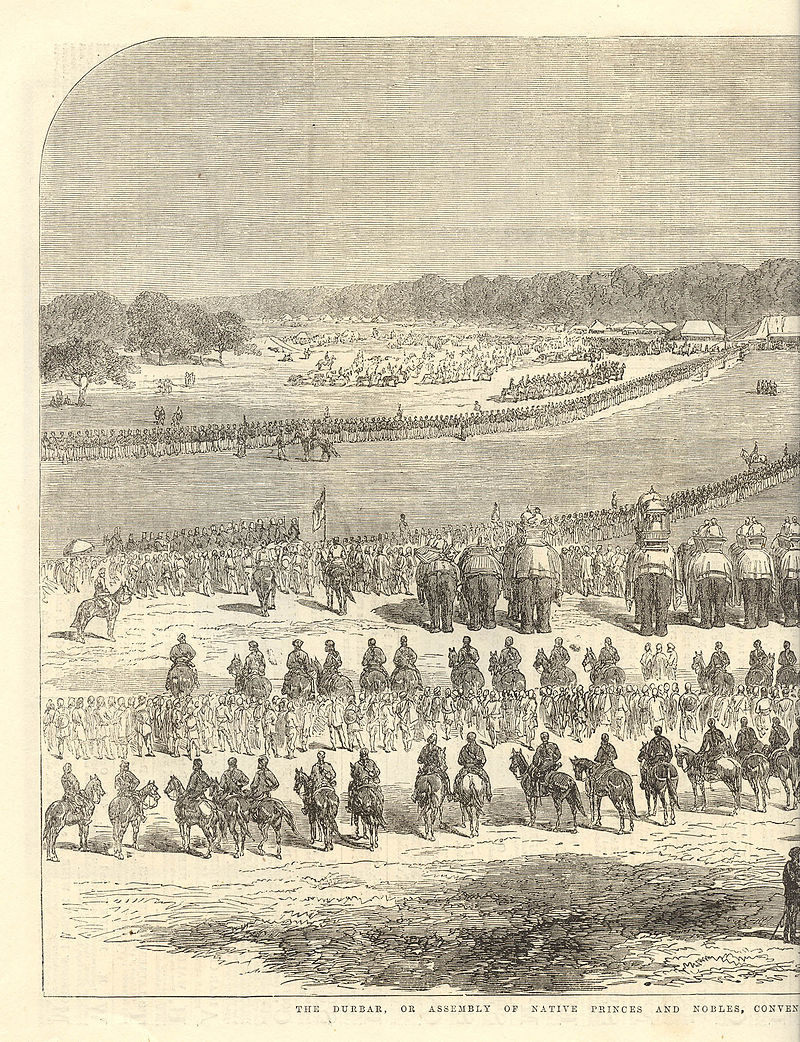
British East India Company gains power in Punjab post-Second Anglo-Sikh War
Pakistan
Political
4 min read
Updated By: History Editorial Network (HEN)
Published:
Following the Second Anglo-Sikh War, the British East India Company gained control of Punjab. The conflict arose due to tensions between the Sikh Empire and the British over territorial expansion. The British emerged victorious, leading to the Treaty of Lahore which ceded control of Punjab to the East India Company.
The impact of this event was significant as it marked the end of Sikh rule in the region and the formal annexation of Punjab by the British. The East India Company imposed new policies and administrative structures, which transformed the socio-political landscape of the region. The annexation of Punjab provided the British with strategic advantages in their efforts to expand their colonial empire in the Indian subcontinent.
Under British rule, Punjab experienced economic changes such as the introduction of new land revenue systems and the commercialization of agriculture. The British also implemented social reforms and infrastructure development projects in the region. However, the annexation also led to the marginalization of local power structures and the erosion of Punjab's cultural autonomy.
Overall, the British East India Company taking control of Punjab after the Second Anglo-Sikh War had lasting consequences on the region's history and development. It marked the beginning of British colonial dominance in Punjab, shaping its trajectory for the years to come. The event continues to be remembered for its impact on the political, social, and economic dynamics of present-day Pakistan.
#SecondAngloSikhWar #BritishEastIndiaCompany #PunjabAnnexation #ColonialLegacy #HistoricalSignificance #PakistanHistory

Explore the Life Moments of
 AI Twin