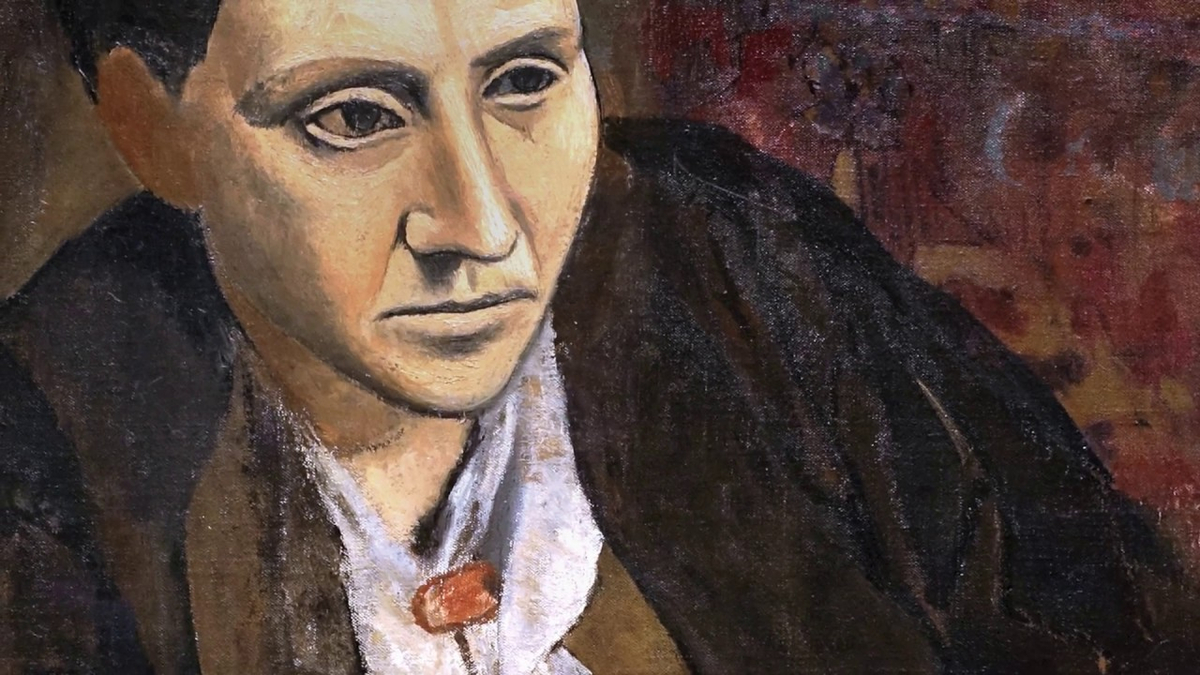
Picasso's Portrait of Gertrude Stein: A Turning Point in Art and Patronage
Spain

ArtPatronage
3 min read
Updated By: History Editorial Network (HEN)
Published:
Pablo Picasso painted a portrait of Gertrude Stein, which marked a pivotal moment in both their lives. At that time, Picasso, a young and relatively unknown artist, was living in Paris. Gertrude Stein, an American writer and art collector, had established herself as a central figure in the expatriate artist community. She frequently hosted gatherings in her salon that attracted prominent artists, writers, and thinkers.
Gertrude Stein's acquisition of Picasso’s works played a crucial role in his career. Her support, both financial and social, provided Picasso with the resources and connections needed to continue developing his avant-garde style. The portrait itself was a departure from traditional techniques; Picasso struggled with Stein's likeness initially, and it took him more than eighty sittings to complete the piece. Eventually, he modified the features to align them with his evolving artistic vision, resulting in a work that foreshadowed his later Cubist approach.
This portrait served as a gateway for Picasso’s integration into the Parisian avant-garde community. Stein’s endorsement not only lent credibility to his work but also helped him gain attention among other influential collectors and galleries. This collaboration between artist and patron had broader implications for the art world, as it underscored the symbiotic relationship between creation and patronage.
#Picasso #GertrudeStein #ArtHistory #Patronage #MoofLife
Primary Reference
Picasso and the Allure of Language
Explore the Life Moments of
 AI Twin