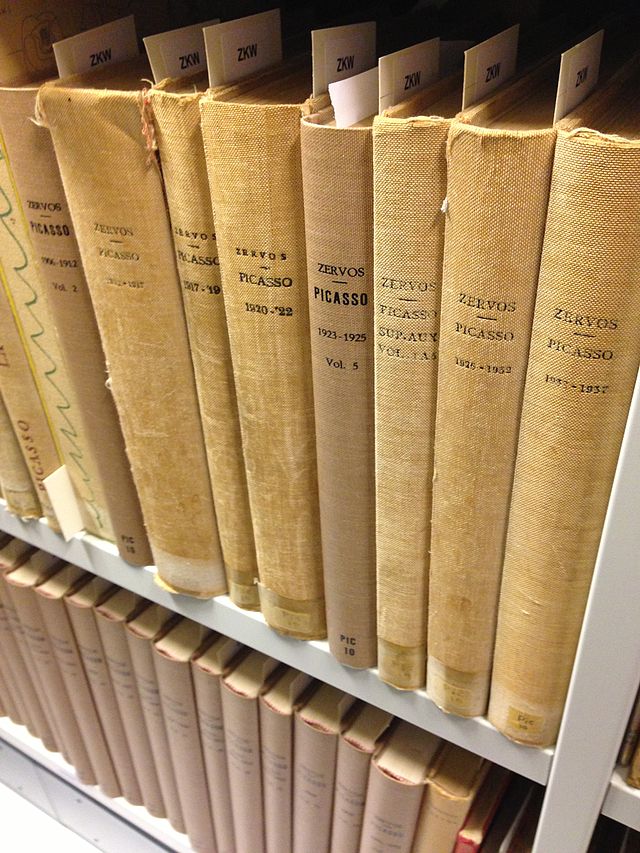
Picasso's Catalogue Raisonné: Definitive reference on artist's oeuvre, impacting market and legacy.
Spain

Art
Entertainment
4 min read
Updated By: History Editorial Network (HEN)
Published:
The final volume of Picasso’s catalogue raisonné was published posthumously, covering his work until 1972. This comprehensive compilation marked the completion of an extensive project documenting the prolific artist's oeuvre. The catalogue raisonné is an authoritative reference detailing Picasso's artistic contributions, including paintings, drawings, sculptures, and ceramics. Its publication was a significant event in the art world, providing collectors, scholars, and enthusiasts with a definitive resource.
Picasso, a Spanish artist known for co-founding the Cubist movement and other influential modern art contributions, left behind a vast and varied body of work. Over his career, he produced approximately 50,000 artworks, making the cataloging process a monumental task. The project began years earlier while Picasso was still alive, involving meticulous documentation and authentication of his pieces.
The final volume’s release generated widespread interest and solidified Picasso's legacy. It also had financial implications, as authenticated works in the catalogue often commanded higher prices in the art market. This publication played a crucial role in curbing forgeries and ensuring the integrity of Picasso's body of work.
Researchers used data from various archives, including private collections, museums, and galleries worldwide. The cataloging process involved collaboration among art historians, curators, and Picasso's family. The project's completion was seen as a testament to the enduring importance and influence of Picasso's work in the art community.
#Picasso #ArtDocumentation #CatalogueRaisonne #ArtHistory #ArtMarket #ModernArt #Cubism #Legacy #MoofLife
Primary Reference
Covering the Art Market—A Long yet Abbreviated Look Back | Judd ...
Explore the Life Moments of
 AI Twin