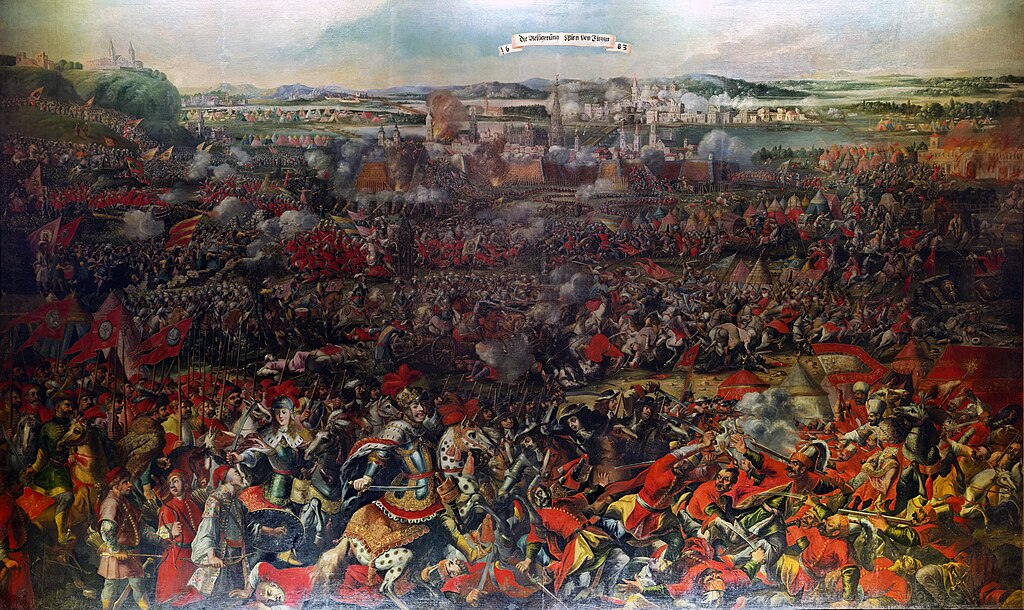
The Second Siege of Vienna Overview
Turkey
Military
Siege
4 min read
Updated By: History Editorial Network (HEN)
Published:
Updated:
The Second Siege of Vienna was a pivotal event during the Great Turkish War, which spanned from 1683 to 1699. The siege was initiated by Grand Vizier Kara Mustafa Pasha, who commanded a large Ottoman army with the objective of capturing Vienna, a key city in Central Europe. The siege began with a significant buildup of forces, as the Ottomans sought to expand their influence further into Europe. The siege lasted for several months, during which the defenders of Vienna, led by the Holy Roman Empire, prepared for a decisive confrontation. The situation became increasingly dire for the defenders as supplies dwindled and morale waned. However, the turning point came when a coalition of forces, including the Habsburgs, Germans, and Poles, mobilized to relieve the city. This coalition was crucial in countering the Ottoman advance and ultimately led to a decisive battle on September 12, 1683.
The Battle of Vienna marked a significant turning point in the conflict between the Ottoman Empire and European powers. The allied forces launched a coordinated attack against the besieging Ottoman army, which had become overextended and vulnerable. The battle concluded with a resounding defeat for the Ottomans, effectively halting their expansion into Europe. This defeat had far-reaching consequences, leading to a shift in the balance of power in the region. The victory at Vienna not only bolstered the morale of European states but also set the stage for subsequent military campaigns against the Ottomans, ultimately contributing to the decline of their empire in Europe. The Second Siege of Vienna is often regarded as a critical moment in European history, symbolizing the resistance against Ottoman expansion and the unification of various European powers against a common threat.
#mooflife
#MomentOfLife
#SecondSiegeOfVienna
#OttomanEmpire
#GreatTurkishWar
#BattleOfVienna
#EuropeanHistory
Primary Reference
Battle of Vienna

Explore the Life Moments of
 AI Twin