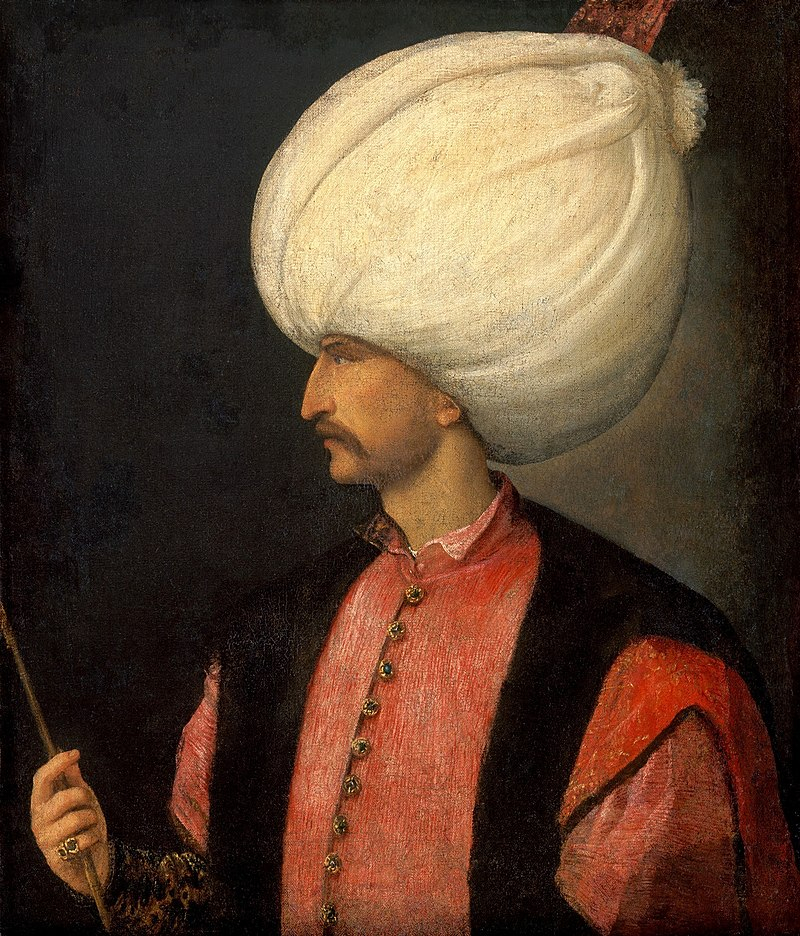
Reign of Suleiman the Magnificent
Turkey
Ottoman Empire
Historical Figures
Cultural Achievements
4 min read
Updated By: History Editorial Network (HEN)
Published:
Updated:
Suleiman the Magnificent ruled the Ottoman Empire from 1520 to 1566, marking a period recognized as the zenith of the empire's power and cultural achievements. His reign was characterized by significant territorial expansion, including the capture of Belgrade and the conquest of central parts of the Kingdom of Hungary. The Battle of Mohács was a pivotal moment during his rule, leading to the establishment of Ottoman dominance in the region that corresponds to modern-day Hungary. Suleiman's military campaigns not only extended the empire's borders but also solidified its influence in Europe and the Mediterranean. Under his leadership, the Ottoman Empire became a formidable power, engaging in various conflicts that shaped the political landscape of the time.
In addition to military conquests, Suleiman implemented extensive legal reforms that transformed the administrative structure of the empire. He is credited with codifying laws, which helped to standardize legal practices across the vast territories under Ottoman control. This legal framework contributed to the stability and governance of the empire, allowing for more efficient administration. Suleiman's reign also saw a flourishing of the arts and architecture, with notable projects such as the construction of the Suleymaniye Mosque in Istanbul. His patronage of the arts led to advancements in literature, music, and visual arts, further enhancing the cultural legacy of the Ottoman Empire. Overall, Suleiman's rule is remembered for its military, legal, and cultural advancements that left a lasting impact on the empire and its history.
#mooflife
#MomentOfLife
#SuleimanTheMagnificent
#OttomanEmpire
#BattleOfMohács
#LegalReforms
#CulturalAchievements
Primary Reference
Suleiman the Magnificent

Explore the Life Moments of
 AI Twin