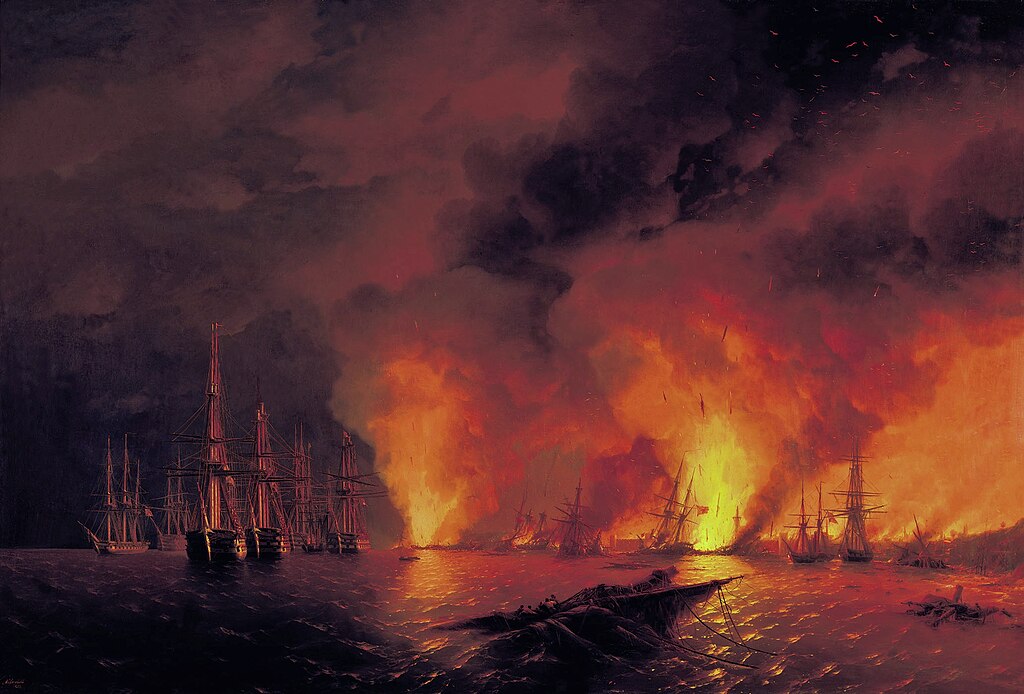
Start of the Crimean War
Turkey
Historical Conflicts
19th Century Wars
European History
4 min read
Updated By: History Editorial Network (HEN)
Published:
Updated:
The Crimean War emerged from a prolonged struggle among European powers for dominance over the territories of the weakening Ottoman Empire. This conflict was primarily fueled by the interests of Russia, Britain, France, and the Kingdom of Sardinia, each seeking to expand their influence in the region. The war began when Russia invaded the Danubian Principalities, prompting a response from the Ottoman Empire, which declared war on Russia. The conflict escalated as Britain and France entered the war to support the Ottomans, fearing Russian expansion would upset the balance of power in Europe. The war was marked by several key battles, including the Siege of Sevastopol, which became a focal point of the conflict. The military engagements highlighted the need for modernization in military tactics and technology, leading to significant changes in how wars were fought in the future.
The financial implications of the Crimean War were profound, particularly for the Ottoman Empire, which struggled to sustain its military efforts. The war's costs forced the Ottoman state to seek foreign loans, amounting to 5 million pounds sterling, to finance its operations. This financial strain contributed to the empire's long-term economic difficulties and highlighted the vulnerabilities of the Ottoman state. The war also had lasting effects on international relations, as it marked the decline of Russian influence in the region and the rise of British and French power. The Crimean War is often seen as a precursor to modern warfare, with its use of new technologies and tactics, and it set the stage for future conflicts in the region.
#mooflife
#MomentOfLife
#CrimeanWar
#OttomanEmpire
#EuropeanPowers
#MilitaryHistory
#InternationalRelations
Primary Reference
Crimean War

Explore the Life Moments of
 AI Twin