Overview of Hümayun and Its Significance
Turkey
Culture
Literature
4 min read
Updated By: History Editorial Network (HEN)
Published:
Updated:
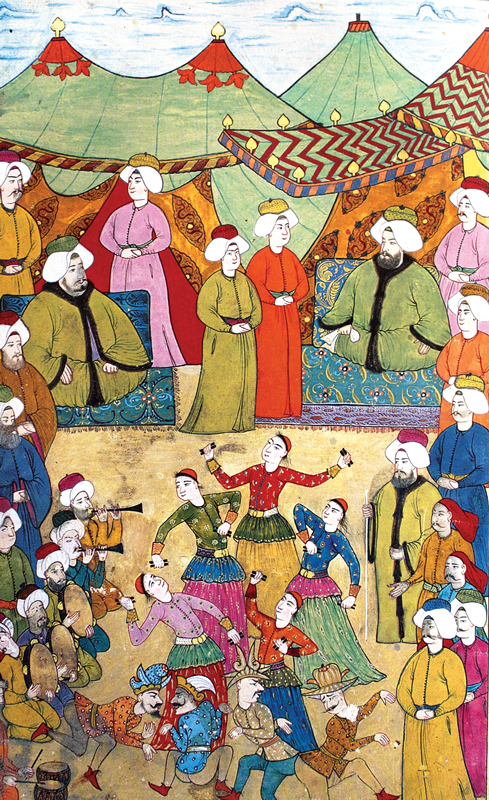
The Surname-i Hümayun is a notable document that illustrates the cultural vibrancy of the Ottoman Empire, particularly in the realm of music and dance. This document features depictions of musicians and dancers who played a crucial role in entertaining the public. The Ottoman Empire was characterized by a diverse array of musical styles, which included both classical and folk music. The classical music of the empire was often performed in formal settings, while folk music emerged from various provinces, reflecting the local traditions and customs of the people. This blend of musical forms contributed to a rich cultural tapestry that was integral to the social fabric of the empire. The Surname-i Hümayun serves as a historical record that captures this dynamic cultural scene, showcasing the importance of music and dance in public life and celebrations.
The impact of the Surname-i Hümayun extends beyond its artistic representations; it highlights the significance of music as a means of expression and community engagement within the Ottoman society. The document not only provides insight into the entertainment practices of the time but also underscores the role of musicians and dancers as key figures in cultural events. The rich musical traditions documented in the Surname-i Hümayun reflect the broader cultural exchanges that occurred within the empire, influenced by various ethnic groups and regions. This cultural diversity was a hallmark of the Ottoman Empire, contributing to its legacy as a center of artistic and musical innovation. The Surname-i Hümayun thus stands as a testament to the enduring significance of music and dance in shaping the cultural identity of the Ottoman Empire.
#mooflife
#MomentOfLife
#OttomanEmpire
#Surname-iHümayun
#MusicHistory
#CulturalHeritage
#FolkMusic
Primary Reference
Surname-i Hümayun

Explore the Life Moments of
 AI Twin