Overview of the Second Constitutional Era
Turkey
Ottoman Empire
Constitutional Era
4 min read
Updated By: History Editorial Network (HEN)
Published:
Updated:
The Second Constitutional Era in the Ottoman Empire began with the Young Turk Revolution, which aimed to modernize the empire and implement political reforms. The revolution was spearheaded by the Committee of Union and Progress (CUP), a political group that sought to establish a constitutional monarchy and promote nationalism among the diverse ethnic groups within the empire. The restoration of the Ottoman Constitution and the reestablishment of the Parliament were pivotal in shifting the political landscape, allowing for greater participation in governance and the introduction of Western-style political practices. This period was characterized by a push for modernization, including reforms in education, military, and legal systems, as well as efforts to centralize authority and reduce the power of regional leaders.
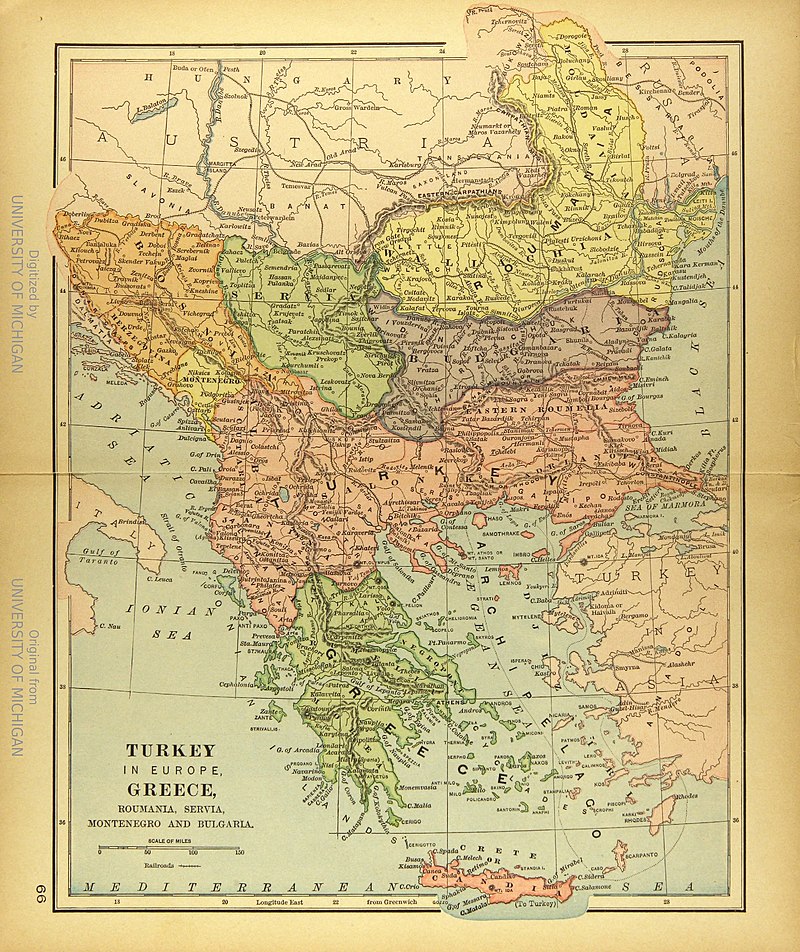
Despite the initial optimism surrounding the Second Constitutional Era, the empire faced numerous challenges that hindered its progress. The Balkan Wars had a profound impact, leading to significant territorial losses and exacerbating ethnic tensions within the empire. The defeat in these conflicts highlighted the weaknesses of the Ottoman military and administration, prompting further calls for reform. The CUP's attempts to consolidate power and implement their vision of a modern state often met with resistance from various factions, including conservative elements within society. The era ultimately set the stage for further political upheaval and conflict, as the empire struggled to adapt to the changing dynamics of the early 20th century, leading to its eventual dissolution after World War I.
#mooflife
#MomentOfLife
#SecondConstitutionalEra
#YoungTurkRevolution
#OttomanEmpire
#CommitteeOfUnionAndProgress
#BalkanWars

Explore the Life Moments of
 AI Twin