United States, Los Angeles Olympics from 30-Jul-1932 to 14-Aug-1932
Greece
Sport
10 min read
Updated By: History Editorial Network (HEN)
Published:
The 1932 Summer Olympics, held in Los Angeles, California, from July 30 to August 14, 1932, were officially known as the Games of the X Olympiad. These Games marked a significant milestone in the history of the modern Olympic Games, showcasing innovative organization, greater international participation, and a spirit of optimism during the challenging times of the Great Depression.
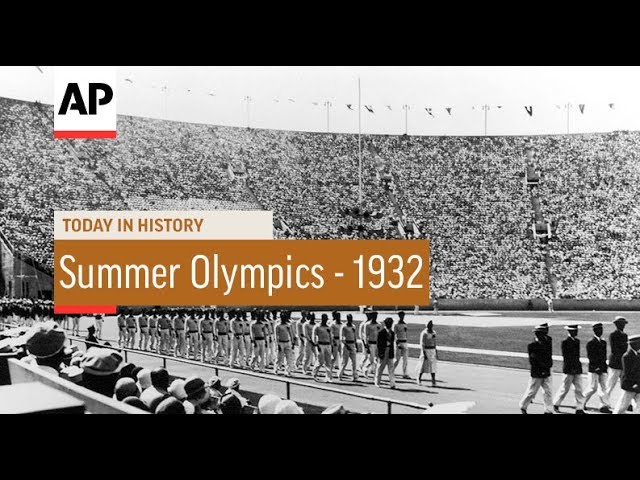
Los Angeles was chosen as the host city for the 1932 Olympics due to its growing reputation as a vibrant and dynamic city, as well as its ability to provide excellent facilities and infrastructure for the Games. The Los Angeles Memorial Coliseum, a state-of-the-art stadium with a seating capacity of 105,000 spectators, served as the main venue for the track and field events and the opening and closing ceremonies.
A total of 1,332 athletes from 37 countries participated in the 1932 Los Angeles Olympics, competing in 116 events across 14 sports. Despite the economic difficulties of the Great Depression, the Games attracted a large number of participants and spectators, reflecting the enduring appeal and resilience of the Olympic movement.
The opening ceremony on July 30, 1932, was a grand and meticulously organized event, attended by U.S. President Herbert Hoover (via radio) and a large crowd of spectators. The ceremony featured a parade of athletes from all participating nations, followed by the raising of the Olympic flag and the playing of the Olympic Anthem. For the first time, the Olympic torch relay was introduced, with the torch being carried from Greece to Los Angeles by a series of runners. This tradition has since become an integral part of the Olympic Games.
One of the most notable aspects of the 1932 Los Angeles Olympics was the introduction of the Olympic Village, a designated area where athletes could stay and socialize during the Games. The village, located in Baldwin Hills, provided accommodation, dining, and recreational facilities for the athletes, fostering a sense of community and camaraderie. This innovation set a precedent for future Olympic Games, where the Olympic Village would become an integral part of the athlete experience.
In athletics, the 1932 Los Angeles Olympics saw several remarkable performances. Mildred "Babe" Didrikson of the United States emerged as one of the standout athletes, winning two gold medals in the 80 meters hurdles and javelin throw, and a silver medal in the high jump. Didrikson's versatility and dominance in multiple disciplines earned her widespread acclaim and recognition.
The marathon was another highlight of the 1932 Los Angeles Olympics. The race was held on a challenging course that started and finished at the Los Angeles Memorial Coliseum. Juan Carlos Zabala of Argentina won the gold medal, completing the race in 2 hours, 31 minutes, and 36 seconds. The marathon showcased the endurance and determination of the athletes, highlighting the physical and mental challenges of long-distance running.
Swimming events were held at the Los Angeles Swimming Stadium, a newly constructed facility in Exposition Park. Buster Crabbe of the United States emerged as the standout swimmer, winning gold in the 400 meters freestyle. His teammate, Helene Madison, also performed exceptionally well, winning three gold medals in the 100 meters freestyle, 400 meters freestyle, and 4x100 meters freestyle relay.
The 1932 Los Angeles Olympics also saw the debut of women's gymnastics, with events in team and individual competitions. The Italian team won gold in the women's team all-around event, marking their first Olympic gold medal in gymnastics. The inclusion of women's gymnastics highlighted the growing recognition of women's contributions to sports and the push for greater gender equality in the Olympic movement.
Equestrian events at the 1932 Los Angeles Olympics included dressage, eventing, and show jumping. The Swedish team excelled in these events, with Bertil Sandström winning gold in individual dressage and the Swedish team securing victory in the team dressage event.
One of the unique aspects of the 1932 Los Angeles Olympics was the inclusion of demonstration sports such as American football and lacrosse. These events added an element of excitement and novelty to the Games, attracting significant interest from spectators.
The closing ceremony on August 14, 1932, marked the end of a highly successful and well-organized Olympic Games. Medals were awarded to the winners, and the athletes bid farewell to Los Angeles, leaving behind a legacy of excellence and innovation. The success of the 1932 Los Angeles Olympics demonstrated the potential of the Olympics to unite nations and celebrate athletic achievement on a global scale.
The legacy of the 1932 Los Angeles Olympics is reflected in the continued growth and development of the Olympic movement. The introduction of the Olympic torch relay, the establishment of the Olympic Village, and the increased international participation set new standards for future Games. The 1932 Los Angeles Olympics also highlighted the importance of inclusivity and the recognition of women's contributions to sports, paving the way for greater gender equality in the Olympic movement.
#MomentsOfLife #MoofLife_Moment #MoofLife #LosAngelesOlympics #UnitedStates #AthleticAchievements
Primary Reference
Los Angeles 1932 Summer Olympics - Athletes, Medals & Results

Explore the Life Moments of
 AI Twin