Switzerland, St. Moritz Olympics from 30-Jan-1948 to 8-Feb-1948
Greece
Sport
10 min read
Updated By: History Editorial Network (HEN)
Published:
The 1948 Winter Olympics, held in St. Moritz, Switzerland, from January 30 to February 8, 1948, were officially known as the V Olympic Winter Games. These Games marked a significant moment in Olympic history as they were the first to be held after World War II and symbolized a return to peace and international cooperation through sports.
St. Moritz, a picturesque town in the Swiss Alps, was selected as the host city for the 1948 Winter Olympics due to its excellent winter sports facilities and its previous experience hosting the 1928 Winter Olympics. The decision to host the Games in Switzerland, a neutral country, was also influenced by the desire to promote peace and unity in the post-war era.
A total of 669 athletes from 28 countries participated in the 1948 St. Moritz Winter Olympics, competing in 22 events across 4 sports: bobsleigh, ice hockey, figure skating, and skiing (including cross-country skiing, ski jumping, and Nordic combined).
The opening ceremony on January 30, 1948, was a grand and festive event attended by Swiss President Enrico Celio and a large crowd of spectators. The ceremony featured a parade of athletes from all participating nations, followed by the raising of the Olympic flag and the playing of the Olympic Anthem. President Celio declared the Games open, emphasizing the spirit of international friendship and competition.
One of the most notable aspects of the 1948 St. Moritz Winter Olympics was the enthusiastic participation of countries that had been affected by World War II. Germany and Japan were not invited to participate, but the inclusion of other nations highlighted the spirit of reconciliation and the desire to move forward from the war.
In the skiing events, Martin Lundström of Sweden was a standout performer, winning gold in the 18 km cross-country skiing and silver in the 4x10 km relay. Lundström's dominance in these endurance events showcased the skill and resilience of Swedish skiers.
The figure skating competitions were held at the Olympic Ice Stadium, an indoor facility that provided excellent conditions for the athletes. Dick Button of the United States won gold in the men's singles figure skating, becoming the first American to achieve this feat. Barbara Ann Scott of Canada won gold in the women's singles figure skating, earning widespread acclaim for her graceful and athletic performances.
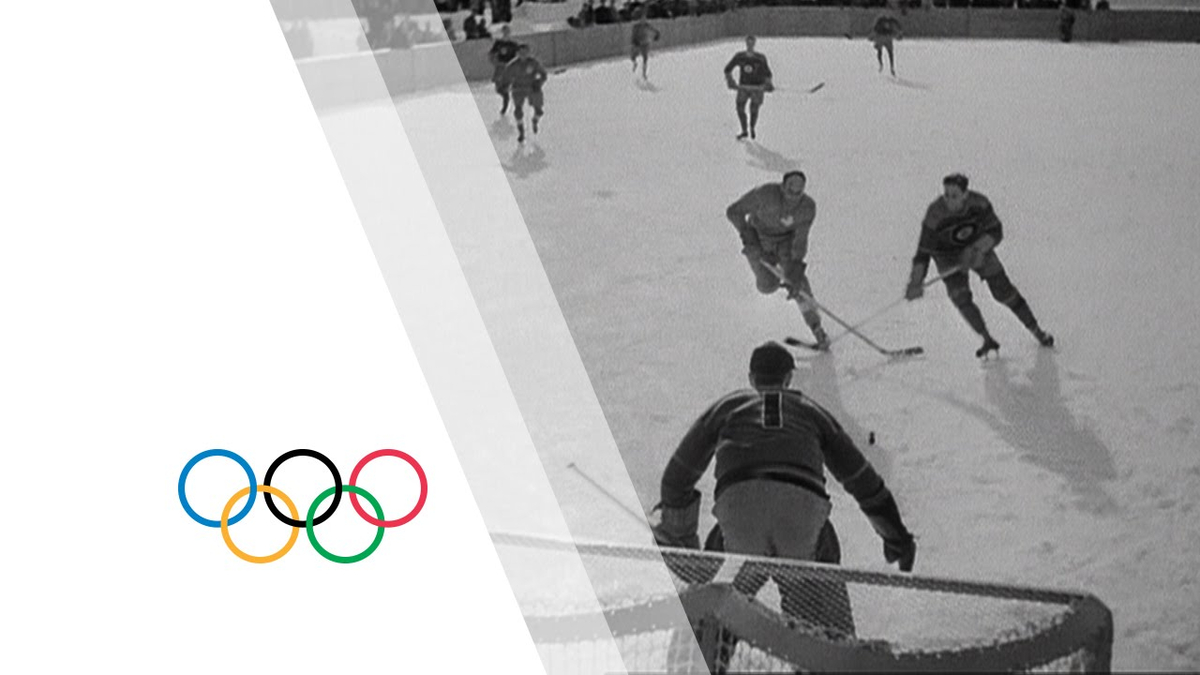
The ice hockey tournament featured nine teams, with Canada once again dominating the competition. The Canadian team, represented by the Ottawa RCAF Flyers, won all eight of their matches and secured the gold medal. The tournament showcased the growing popularity and competitiveness of ice hockey on the international stage.
Bobsleigh events were held on the newly constructed bobsleigh track in St. Moritz, which provided a thrilling and challenging course for the competitors. The Swiss team excelled in these events, winning gold in both the two-man and four-man bobsleigh. Their remarkable performance highlighted the skill and precision required in this high-speed sport.
One of the unique aspects of the 1948 St. Moritz Winter Olympics was the inclusion of military patrol, a precursor to modern biathlon, as a demonstration event. The competition combined cross-country skiing and rifle shooting, showcasing the endurance and marksmanship of the athletes. The Swiss team won the demonstration event, reflecting their strength in winter sports.
The 1948 St. Moritz Winter Olympics were not without challenges. The post-war economic difficulties affected the participation and organization of the Games, and some countries faced financial constraints. Despite these challenges, the resilience and determination of the athletes, coupled with the enthusiasm of the spectators, ensured the success of the Games.
The closing ceremony on February 8, 1948, marked the end of a highly successful and well-organized Olympic Games. Medals were awarded to the winners, and the athletes bid farewell to St. Moritz, leaving behind a legacy of winter sports excellence and international camaraderie. The success of the St. Moritz Games demonstrated the potential of the Winter Olympics to unite nations and celebrate athletic achievement on a global scale.
The legacy of the 1948 St. Moritz Winter Olympics is reflected in the continued growth and development of the Winter Olympic movement. The Games showcased the diversity and excitement of winter sports, setting new standards for future competitions. The success of the St. Moritz Games also highlighted the importance of proper organization and the need for international cooperation in hosting the Olympics.
#MomentsOfLife #MoofLife_Moment #MoofLife #StMoritzOlympics #SwissAlps #WinterSports #GlobalUnity

Explore the Life Moments of
 AI Twin