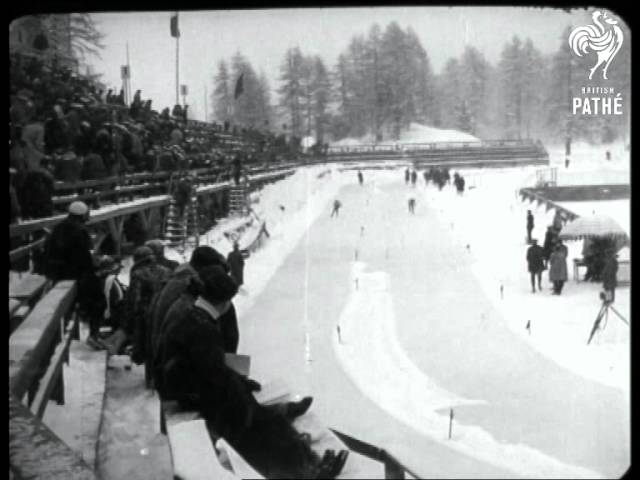
Switzerland, St. Moritz Olympics from 11-Feb-1928 to 19-Feb-1928
Greece
Sport
10 min read
Updated By: History Editorial Network (HEN)
Published:
The 1928 Winter Olympics, held in St. Moritz, Switzerland, from February 11 to February 19, 1928, were a landmark event in the history of the Winter Olympic Games. Officially known as the II Olympic Winter Games, these Games marked the first time that the Winter Olympics were held separately from the Summer Olympics, establishing a tradition that continues to this day.
St. Moritz, a picturesque town in the Swiss Alps, was an ideal location for the Winter Olympics due to its stunning natural scenery and well-developed winter sports infrastructure. The decision to host the Games in St. Moritz was influenced by the town's reputation as a premier winter sports destination and its successful hosting of international competitions in the past.
A total of 464 athletes from 25 countries participated in the 1928 St. Moritz Winter Olympics, competing in 14 events across six sports: bobsleigh, curling, ice hockey, military patrol, figure skating, and skiing (including cross-country skiing, ski jumping, and Nordic combined).
The opening ceremony on February 11, 1928, was a grand and festive event. The athletes paraded into the St. Moritz Olympic Stadium, followed by speeches from dignitaries, including the President of the Swiss Confederation, Edmund Schulthess. The ceremony emphasized the spirit of international friendship and competition, setting the tone for the Games.
One of the most notable aspects of the 1928 St. Moritz Winter Olympics was the enthusiastic participation of Scandinavian countries, which had a strong tradition in winter sports. Norway emerged as the dominant nation, winning a total of 15 medals, including 6 golds, 4 silvers, and 5 bronzes.
In the skiing events, Johan Grøttumsbråten of Norway was a standout performer, winning gold in the 18 km cross-country skiing and Nordic combined events. Grøttumsbråten's dominance in these endurance events showcased the skill and resilience of Norwegian skiers.
The figure skating competitions were held at the Badrutt's Park, adding an element of natural beauty to the performances. Gillis Grafström of Sweden won gold in the men's singles figure skating, successfully defending his titles from the 1920 Antwerp and 1924 Chamonix Olympics. Sonja Henie of Norway won gold in the women's singles figure skating at the age of 15, becoming the youngest Olympic champion in the sport. Henie's graceful and athletic performances captivated the audience, earning her widespread acclaim and setting the stage for her future career in both competitive skating and Hollywood.
The ice hockey tournament featured eight teams, with Canada once again dominating the competition. The University of Toronto Grads, representing Canada, won all three of their matches, securing the gold medal with a total of 38 goals scored and none conceded. Their remarkable performance solidified Canada's reputation as a powerhouse in ice hockey, with the United States winning silver and Sweden taking bronze.
The 1928 St. Moritz Winter Olympics also featured the sport of curling, which was contested as a demonstration event. Teams from Great Britain, Sweden, and Switzerland participated, with Great Britain emerging as the unofficial winner. Curling's inclusion in the Winter Olympics highlighted the diversity of winter sports and the potential for future growth.
The military patrol event, a precursor to modern biathlon, combined cross-country skiing and rifle shooting. The Swiss team won gold in this event, showcasing their skills in both endurance and marksmanship.
Bobsleigh events were held on the newly constructed Cresta Run in St. Moritz. The Swiss team, led by Eduard Scherrer, won gold in the four-man bobsleigh event, demonstrating their mastery of this thrilling and high-speed sport. The bobsleigh events were particularly popular with spectators, drawing large crowds to the Cresta Run.
One of the unique aspects of the 1928 St. Moritz Winter Olympics was the inclusion of skeleton as a demonstration event. The Cresta Run, with its challenging and treacherous course, provided the perfect setting for this exciting sport. Although skeleton was not included as an official Olympic sport until later, its demonstration in St. Moritz showcased its potential as a thrilling and competitive winter sport.
The 1928 St. Moritz Winter Olympics were not without challenges. The weather conditions were unpredictable, with heavy snowfall and warm temperatures affecting some events. However, the resilience and determination of the athletes, coupled with the enthusiasm of the spectators, ensured the success of the Games.
The closing ceremony on February 19, 1928, marked the end of a highly successful and well-organized Olympic Games. Medals were awarded to the winners, and the athletes bid farewell to St. Moritz, leaving behind a legacy of winter sports excellence and international camaraderie. The success of the St. Moritz Games paved the way for the establishment of the Winter Olympics as a regular part of the Olympic movement, celebrated every four years alongside the Summer Olympics.
The 1928 St. Moritz Winter Olympics demonstrated the potential of winter sports to capture the imagination of the world and bring together athletes from diverse backgrounds to compete in a spirit of friendship and mutual respect. The legacy of these Games continues to inspire winter sports enthusiasts and athletes around the globe.
#MomentsOfLife #MoofLife_Moment #MoofLife #StMoritzOlympics #Switzerland #WinterSports #AthleticCompetition

Explore the Life Moments of
 AI Twin