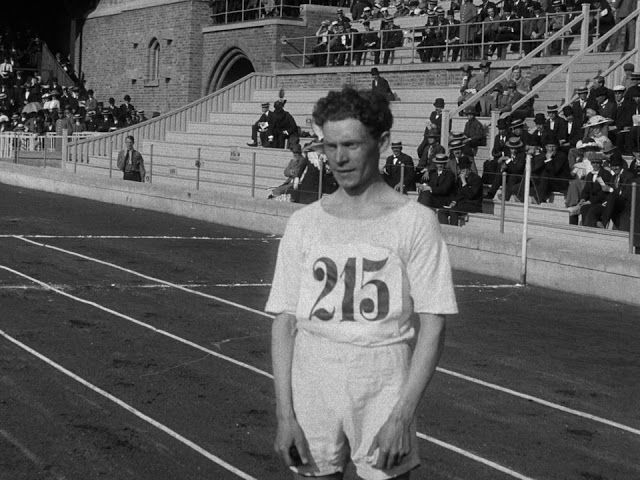
Sweden, Stockholm Olympics from 6-Jul-1912 to 22-Jul-1912
Greece
Sport
10 min read
Updated By: History Editorial Network (HEN)
Published:
The Stockholm Olympics took place in Sweden over a two-week period. It was the first time the Olympic Games were held in a Nordic country. The event was organized to be a celebration of sports, bringing together athletes from 28 countries to compete in various disciplines. The games were held in a newly constructed stadium, which showcased the architectural prowess of the time.
The 1912 Summer Olympics, held in Stockholm, Sweden, from July 6 to July 22, 1912, were the fifth modern Olympic Games and marked a significant milestone in the development of the Olympic movement. The Stockholm Olympics were characterized by their excellent organization, international participation, and the introduction of several innovations that have become integral to the Olympic tradition.
The decision to host the 1912 Olympics in Stockholm was made by the International Olympic Committee (IOC) in 1909. Sweden, with its well-developed sports infrastructure and commitment to athletic excellence, was an ideal choice. The Swedish Olympic Committee, led by Viktor Balck, took great care in planning and organizing the Games, ensuring that they would be a memorable and successful event.
The main venue for the 1912 Olympics was the Stockholm Olympic Stadium, constructed specifically for the event. The stadium, with a seating capacity of 20,000 spectators, featured a state-of-the-art track, field facilities, and a swimming pool. The design of the stadium allowed for excellent viewing conditions, and it became a model for future Olympic venues.
The opening ceremony on July 6, 1912, was a grand and meticulously organized affair. King Gustav V of Sweden officially opened the Games, and the ceremony featured a parade of athletes from 28 nations, a record number at the time. The athletes marched behind their national flags, and the Olympic oath was taken by a representative athlete, emphasizing the principles of fair play and sportsmanship.
One of the most notable aspects of the 1912 Stockholm Olympics was the introduction of electronic timing and photo finish technology in the track and field events. These innovations ensured greater accuracy and fairness in the results, setting a new standard for athletic competitions. The use of such technology marked a significant advancement in the administration and adjudication of sports.
A total of 2,406 athletes, including 48 women, participated in the 1912 Olympics. The inclusion of more female athletes was a progressive step towards greater gender equality in sports. Women competed in events such as swimming, diving, tennis, and gymnastics.
In athletics, the 1912 Stockholm Olympics saw several remarkable performances. Jim Thorpe of the United States emerged as one of the greatest athletes of all time by winning gold medals in both the decathlon and pentathlon. Thorpe's versatility and dominance in multiple disciplines earned him widespread acclaim and recognition.
The marathon at the 1912 Olympics was another memorable event. The race was held in extremely hot conditions, and only half of the 68 starters completed the course. Kenneth McArthur of South Africa won the marathon, with his compatriot Christian Gitsham finishing second. The difficult conditions and the perseverance of the athletes highlighted the endurance and determination required to compete in such a grueling event.
Swimming events at the 1912 Olympics were dominated by Duke Kahanamoku of the United States, who won gold in the 100 meters freestyle and silver in the 4x200 meters freestyle relay. Kahanamoku's achievements helped popularize the sport of swimming and established him as one of the sport's early legends.
The 1912 Stockholm Olympics also saw the debut of modern pentathlon, an event created by Baron Pierre de Coubertin to reflect the skills of a 19th-century soldier. The modern pentathlon included fencing, shooting, swimming, horse riding, and running. The event was won by Gösta Lilliehöök of Sweden, who excelled in all five disciplines.
Fencing was another highlight of the 1912 Olympics, with athletes competing in foil, épée, and sabre events. Nedo Nadi of Italy won gold in the individual foil, while his compatriot Alberto Braglia triumphed in the individual all-around gymnastics event, repeating his success from the 1908 London Olympics.
The 1912 Stockholm Olympics also featured the introduction of art competitions, reflecting the original vision of the Olympic Games as a celebration of both athletic and artistic excellence. Competitions were held in literature, painting, sculpture, architecture, and music, with medals awarded to the best artistic works inspired by sports.
Equestrian events at the 1912 Olympics included dressage, eventing, and show jumping. Sweden excelled in these events, with Carl Bonde winning gold in individual dressage and the Swedish team securing victory in the team dressage event.
The 1912 Stockholm Olympics were also notable for the participation of Japan, marking the first time an Asian country competed in the Olympics. The inclusion of athletes from diverse regions highlighted the growing global appeal of the Olympic movement.
The closing ceremony on July 22, 1912, marked the end of a highly successful and well-organized Olympic Games. Medals were awarded to the winners, and the athletes bid farewell to Stockholm, leaving behind a legacy of excellence and innovation.
The 1912 Stockholm Olympics set new standards for the organization and conduct of the Games. The use of electronic timing and photo finish technology, the inclusion of modern pentathlon, and the introduction of art competitions were all significant advancements that contributed to the evolution of the Olympic tradition.
The legacy of the 1912 Stockholm Olympics is reflected in the continued growth and development of the Olympic movement. The Games showcased the potential of sports to unite nations and celebrate human achievement, setting the stage for future editions of the Olympics.
#MomentsOfLife #MoofLife_Moment #MoofLife #StockholmOlympics #Sweden #AthleticLegacy #Inclusivity #Sportsmanship
Primary Reference
1912 Summer Olympics - Wikipedia

Explore the Life Moments of
 AI Twin