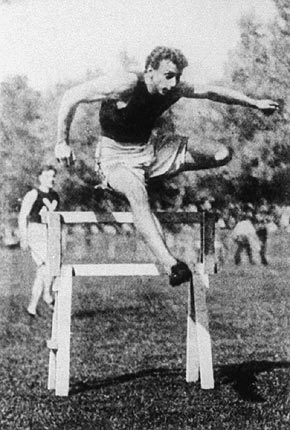
France, Paris Olympics from 14-May-1900 to 28-Oct-1900
Greece
Sport
10 min read
Updated By: History Editorial Network (HEN)
Published:
The 1900 Summer Olympics, held in Paris, France from May 14 to October 28, 1900, were the second modern Olympic Games and marked a significant step in the development of the Olympic movement. These Games were held as part of the 1900 World's Fair (Exposition Universelle), which celebrated the achievements of the 19th century and showcased innovations in technology, culture, and sports.
The decision to hold the Olympics in Paris was influenced by the desire to associate the Games with the grandeur and international appeal of the World's Fair. This resulted in an extended duration of the Olympics, spanning several months, and a diverse range of events that reflected the eclectic nature of the exposition.
Unlike the 1896 Athens Olympics, the 1900 Paris Olympics were not organized by the International Olympic Committee (IOC). Instead, they were managed by the organizing committee of the World's Fair, leading to some logistical and organizational challenges. The events were spread across various venues in Paris, and there was no central Olympic Village or dedicated facilities for the athletes.
A total of approximately 1,000 athletes from 24 countries participated in the 1900 Paris Olympics. Notably, these Games saw the inclusion of women for the first time, with female athletes competing in tennis, sailing, croquet, equestrian, and golf. Charlotte Cooper of Great Britain made history by becoming the first female Olympic champion, winning gold in both the women's singles and mixed doubles tennis events.
The diversity of events at the 1900 Olympics was remarkable, with some unique and unusual sports making their debut. These included croquet, cricket, tug of war, basque pelota, and live pigeon shooting. The inclusion of such a wide range of events showcased the experimental nature of the early Olympic Games and the desire to explore different sporting disciplines.
In athletics, American athletes continued to dominate, winning 16 of the 23 events. Alvin Kraenzlein emerged as the star of the track and field events, winning four gold medals in the 60 meters, 110 meters hurdles, 200 meters hurdles, and long jump. His achievements set a record for the most gold medals won by an athlete in a single Olympic Games, a record that stood for many years.
The swimming events were held in the River Seine, presenting unique challenges to the competitors due to the river's currents and varying water conditions. John Arthur Jarvis of Great Britain excelled in the swimming events, winning two gold medals in the 1000 meters and 4000 meters freestyle.
The 1900 Paris Olympics also witnessed the introduction of team sports, with rugby union and football (soccer) making their debut. The rugby tournament featured teams from France, Great Britain, and Germany, with France winning the gold medal. The football tournament saw the participation of club teams rather than national teams, with Upton Park F.C. from Great Britain winning the competition.
One of the most memorable and unusual events of the 1900 Paris Olympics was the live pigeon shooting competition. Participants aimed to shoot as many pigeons as possible, and the winner was determined by the number of birds killed. This event was later discontinued due to ethical concerns and the shift towards more humane and environmentally friendly sporting practices.
The 1900 Paris Olympics also saw the introduction of fencing events for women, with foil being the featured discipline. Hélène de Pourtalès of Switzerland became the first female Olympic champion in sailing, winning gold in the 1-2 ton class with her team.
Despite the challenges and criticisms regarding the organization and duration of the Games, the 1900 Paris Olympics played a crucial role in the evolution of the Olympic movement. The inclusion of women and the diversity of events highlighted the progressive nature of the Games and set the stage for future inclusivity and innovation.
The legacy of the 1900 Paris Olympics is reflected in the continued growth and expansion of the Olympic program, with new sports and disciplines being added over the years. The Games also underscored the importance of proper organization and planning, lessons that were heeded in subsequent editions of the Olympics.
The 1900 Paris Olympics remain a unique chapter in Olympic history, characterized by their association with the World's Fair, the introduction of women athletes, and the eclectic mix of sporting events. These Games contributed to the global appeal and enduring legacy of the Olympics as a celebration of athletic excellence and international camaraderie.
#MomentsOfLife #MoofLife_Moment #MoofLife #ParisOlympics #SportsDiplomacy #CulturalExchange
Primary Reference
Paris 1900 Summer Olympics - Athletes, Medals & Results

Explore the Life Moments of
 AI Twin