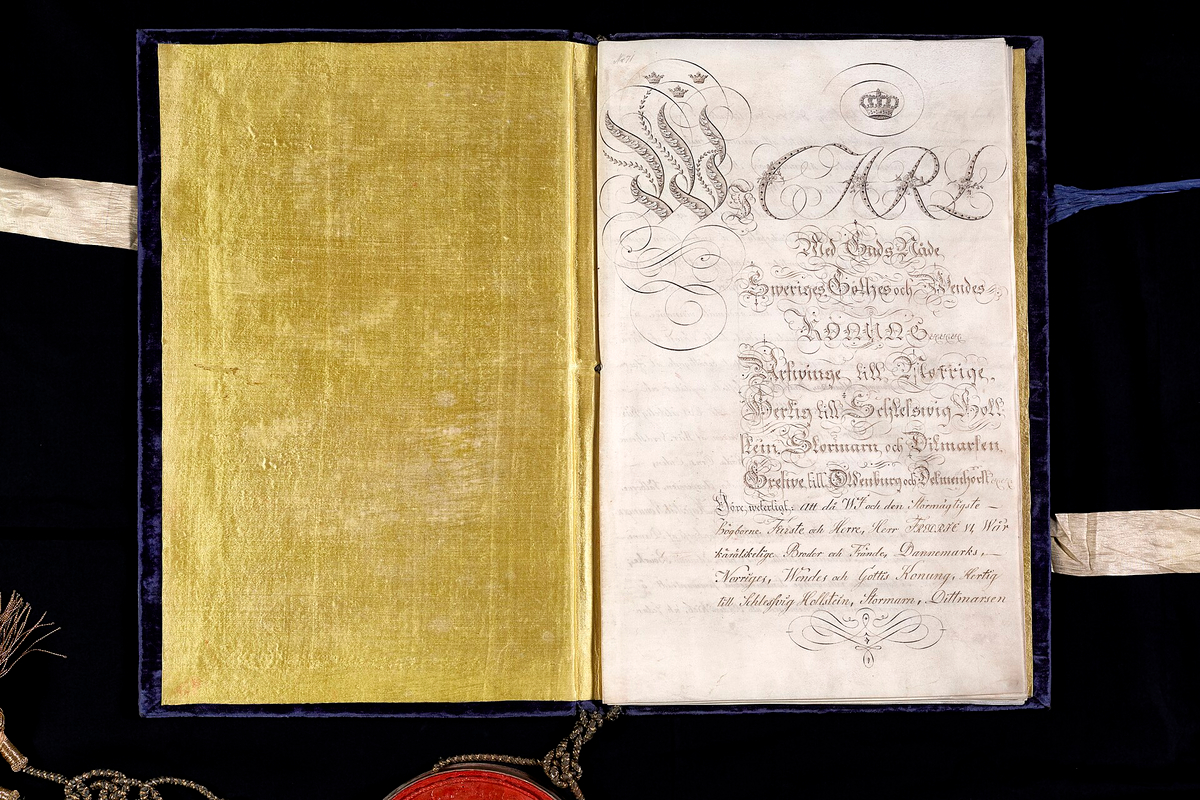
Treaty of Kiel: Norway ceded to Sweden post-Napoleonic Wars.
Norway
Political
3 min read
Updated By: History Editorial Network (HEN)
Published:
In the aftermath of the Napoleonic Wars, the Treaty of Kiel was signed, ceding Norway to the King of Sweden. The treaty was a result of the broader reorganization of Europe following Napoleon's defeat. It marked the end of Denmark-Norway as a political entity and put Norway under Swedish rule. Norwegian officials were not consulted during the negotiations and many Norwegians were unhappy with the outcome.
The treaty had a significant impact on Norway, leading to widespread opposition and ultimately paving the way for the Norwegian War of Independence. This conflict resulted in the Convention of Moss and the establishment of a personal union between Sweden and Norway. The signing of the Treaty of Kiel was a turning point in Norwegian history, shaping its relationship with Sweden for years to come.
The transfer of Norway to Swedish control led to a period of cultural and political resistance in Norway, fueling a growing sense of national identity and aspirations for independence. Ultimately, the treaty laid the foundation for the future dissolution of the union with Sweden in 1905. The Treaty of Kiel remains a pivotal moment in the history of Norway, symbolizing the struggles and aspirations of the Norwegian people for self-determination. #TreatyofKiel #NorwegianIndependence #NapoleonicWars
Primary Reference
The Peace Treaty of Kiel - The Royal House of Norway

Explore the Life Moments of
 AI Twin