Kim Jong-un Becomes Supreme Commander of the Army
North Korea

Political
SupremeCommander
MilitaryControl
3 min read
Updated By: History Editorial Network (HEN)
Published:
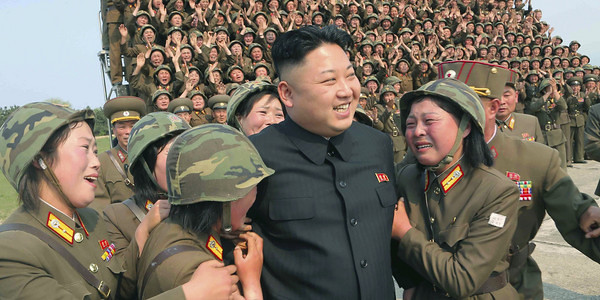
On December 30, 2011, Kim Jong-un was officially appointed as Supreme Commander of the Korean People's Army (KPA), solidifying his control over the military just two weeks after the death of his father, Kim Jong-il. This appointment was a crucial moment in his rise to power, as the military played a central role in North Korea's governance and stability. By assuming this position, Kim followed the legacy of his father and grandfather, both of whom had held the title before him, reinforcing the hereditary leadership system that defined North Korea’s regime.
The decision to make Kim Supreme Commander so soon after his father’s passing was intended to eliminate any doubts about his authority, given his youth and inexperience. At the time, many analysts speculated that he would struggle to maintain control over the powerful military elite, who had been deeply loyal to his father. However, his swift consolidation of power and the loyalty pledged by the military hierarchy demonstrated that he had secured the army’s support, at least publicly. In the following months, he took further steps to cement his leadership, assuming key positions such as First Secretary of the Workers’ Party of Korea in April 2012 and First Chairman of the National Defence Commission shortly thereafter.
Explore the Life Moments of
 AI Twin