North Korea's Strategic Entry into Non-Aligned Movement for Independent Foreign Policy
North Korea

Political
5 min read
Updated By: History Editorial Network (HEN)
Published:
Updated:
On 1 August 1975, North Korea officially joined the Non-Aligned Movement (NAM), a coalition of states advocating for national independence, sovereignty, and non-intervention in the shadow of the Cold War superpowers. Established in 1961, the NAM offered a platform for countries not formally aligned with or against any major power bloc to collaborate on political and economic issues.
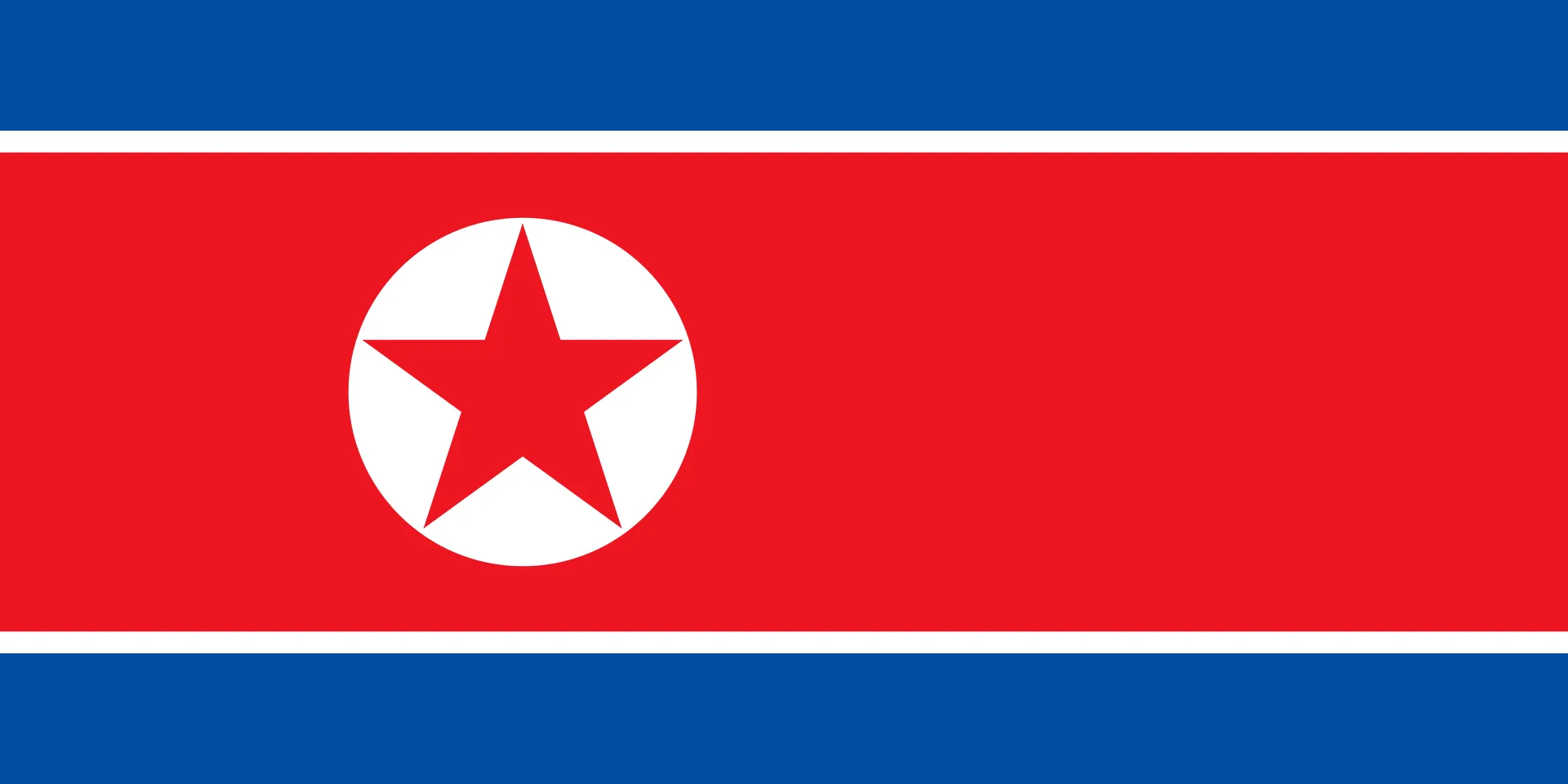
North Korea's entry into the Non-Aligned Movement was a strategic move that underscored its commitment to an independent foreign policy. By joining NAM, North Korea aimed to bolster its diplomatic standing among developing nations and to seek support for its political and economic agenda. North Korea's foreign policy at that time was characterized by a pursuit of self-reliance and resistance to the influence of both the United States and the Soviet Union, aligning well with the principles of NAM.
The impact of this membership was multi-faceted. For North Korea, it meant gaining solidarity from other member states in international forums, potentially providing a counterbalance to the alliances formed by its southern counterpart, South Korea. North Korea sought to strengthen its ties with fellow NAM members through political and economic collaboration, reflecting an approach meant to diversify its international relationships beyond its traditional allies.
The Non-Aligned Movement, comprising over seventy-five member states at the time, saw North Korea's inclusion as furthering its goal of representing a wide array of geopolitical interests. The addition of North Korea also highlighted NAM’s inclusive nature, accommodating varying political systems and ideologies within its ranks. This inclusiveness allowed NAM to maintain a broad coalition despite differing national priorities among its members.
The entry of North Korea into NAM was also significant in the context of regional dynamics in the Korean Peninsula, drawing clear lines in the ideological and strategic competition between North and South Korea.
This event emphasized North Korea's commitment to maintaining an autonomous stance in a polarized international environment. It reinforced the thematic cornerstone of the Non-Aligned Movement—national sovereignty and independence—as integral to international diplomacy during the Cold War.
#NorthKorea #NonAlignedMovement #IndependentForeignPolicy #ColdWarEra #InternationalRelations #MoofLife
Primary Reference
“North Korea and the Non-Aligned Movement: From Adulation to ...
Explore the Life Moments of
 AI Twin