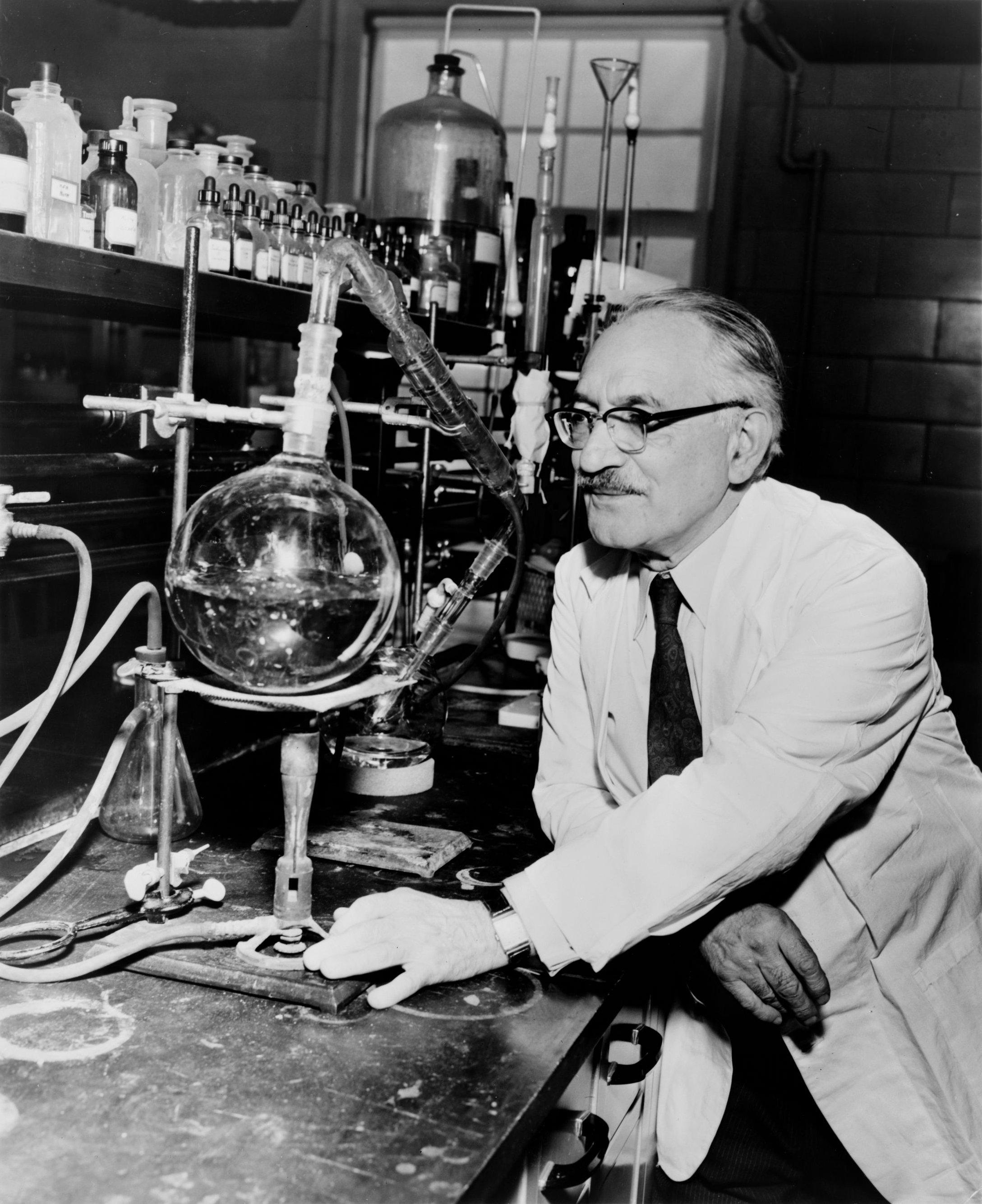
Waksman's Nobel Prize-Winning Discovery: Streptomycin's Impact on Tuberculosis and Antibiotic Development
Sweden
Science
Medical
5 min read
Updated By: History Editorial Network (HEN)
Published:
Selman A. Waksman was awarded the Nobel Prize in Physiology or Medicine for discovering streptomycin, the first effective antibiotic against tuberculosis. Tuberculosis had been a major cause of death and disability globally, causing widespread public health challenges. The breakthrough came after Waksman, a microbiologist, and his team conducted extensive research on soil-dwelling actinomycetes. They identified Streptomyces griseus as the source of streptomycin.
Waksman's discovery marked a pivotal point in the fight against tuberculosis, which had previously been difficult to treat. Before streptomycin, the available treatments were not only limited but also often ineffective. The development of this antibiotic significantly reduced the mortality rates associated with the disease. Streptomycin rapidly gained acceptance in medical communities and became a standard treatment for tuberculosis, dramatically improving patient outcomes.
The impact of streptomycin extended beyond tuberculosis. It opened new avenues in antimicrobial research, leading to the discovery of more antibiotics that could treat a variety of bacterial infections. This period witnessed a substantial reduction in deaths caused by bacterial diseases, reflecting the critical role that antibiotics played in public health.
Waksman's work underscored the potential of natural products in medical applications, and his methodology inspired other researchers to explore the medicinal properties of microorganisms. The discovery of streptomycin and its successful application symbolized a triumph in medical science and exemplified the importance of research in addressing global health issues.
The significance of Waksman's contribution to medicine is evidenced by the lasting impact of his discovery. Streptomycin remains an essential drug in the fight against tuberculosis and continues to be a cornerstone in antimicrobial therapy. Waksman's achievement highlighted the value of scientific investigation in improving public health outcomes.
#NobelPrize #Tuberculosis #Antibiotics #MedicalResearch #Streptomycin #SelmanWaksman #PublicHealth #Microbiology #MoofLife
Primary Reference
Selman A. Waksman, Winner of the 1952 Nobel Prize for Physiology ...
Explore the Life Moments of
 AI Twin